


Maritime Procurement: Where the Cost is Really Set
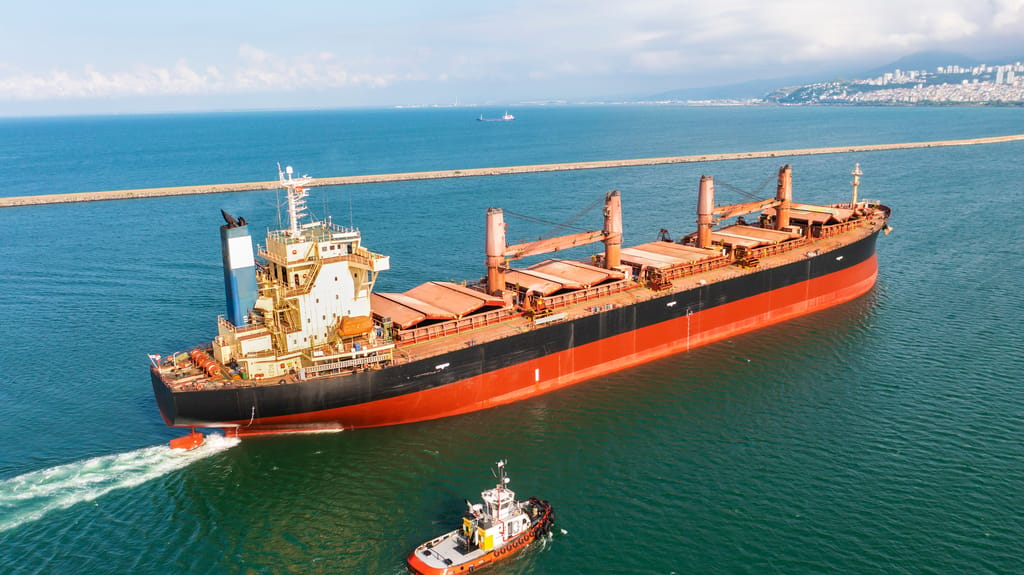
When a vessel needs a spare part, someone ashore owns the problem.
They have to find a supplier, compare quotes, check lead time, make sure the documentation is in place, and get the part to the vessel. If anything goes wrong, they are the one chasing the supplier, the vessel and everyone in between.
The invoice arrives at the end of that process. By then, most of the cost of the purchase has already been set.
An inexpensive component that arrives late can cost more than an expensive one delivered on time. The lowest quote can create work later if the documentation behind it is incomplete. For a company running hundreds of vessels and thousands of suppliers, those outcomes accumulate.
They accumulate across disconnected technology. A requisition raised on board passes through procurement for supplier selection and pricing, an ERP for the purchase order, vessel operations when the goods arrive, and finance for matching and payment.
A buyer at a typical ship manager crosses six systems to see that through: email and spreadsheets, an e-procurement portal, the ERP, the finance system and the banking portal. Around five hours a week goes on moving quotes between them. Every handover is a point where information can be lost or delayed. The invoice is the last of them.

When ten minutes is the best case
Marcura estimates that a typical ship manager receives around 50 invoices per vessel each month, at roughly ten minutes of team time to clear each one. Across a 200-vessel fleet, that is close to 20,000 hours a year.
That figure describes the invoices that behave: the document arrives, it matches, it clears.
Many do not clear on first review. A supplier describes a line in terms the ERP does not recognize. A delivery still needs confirming from a vessel with limited connectivity and a crew whose time is committed elsewhere.
Each of those leaves the finance queue. It becomes supplier correspondence, vessel follow-up, internal clarification, ERP rework and an approval that waits. The cost moves from minutes of one team's time to days of several people's, and procurement is usually among them.
One ship manager's internal process review put between 15 and 20 percent of superintendent and fleet manager time into invoice-related activity. Almost none of it registered in the finance system. It sat in email threads with suppliers and in vessel confirmation requests that took days to resolve.
That is the cost the 20,000 hours does not contain.
One order, carried end to end
Intelligent automation can own the connections between stages and leave the decisions to the people who should be making them.
Take a routine order of six line items for a vessel calling in Japan.
Four of the six sit under an existing contract, so they never go out to quote. Agreed pricing applies on its own. The remaining two go to the supplier network as an RFQ, and three suppliers respond.
The buyer does not read the quotes. They are scored against six weighted criteria, including total landed cost, completeness against the RFQ lines and lead time against the requested date. Three quotes, six criteria, under two minutes, with the reasoning behind the ranking written out. The buyer reads the recommendation and makes the call.
Delivery is another point where the right information matters. A chief officer may sign a delivery note under time pressure before all stores have been counted. The invoice then matches the purchase order and delivery note, appearing ready for payment, only for a shortfall to emerge days later.
A three-way match has worked with the information available. Adding confirmation from the vessel once the goods have been checked gives the system another opportunity to flag the discrepancy while it can still be resolved.
A recent survey of fleet operators by Spectec found three-way matching fails 60 to 70 percent of the time in maritime, at around US$85 in staff time to chase each one. That is the gap a fourth check is built to close.
Beyond matching, the system can validate transaction data, screen suppliers and route discrepancies for review before payment. Routine checks run automatically, while exceptions requiring commercial or operational judgment are referred to the relevant person.

Where judgment sits
More than a dozen steps run between that requisition and the cleared payment. The buyer makes three decisions: convert the requisition, choose the supplier, approve the invoice. Finance takes two. The rest run without being asked.
That ratio is the argument. What it changes is where the buyer's day goes.
AI handles volume and surfaces exceptions. Context stays with the buyer, and in shipping it is specific. A buyer knows why a supplier is reliable in a difficult port, why a higher-priced component is justified on critical equipment, and when a request from a vessel is worth a question.
From processing transactions to managing decisions
The value of a purchasing system depends on what happens between the requisition and the payment, rather than on how fast either end is processed.
For procurement, that means fewer hours chasing and more hours negotiating. For operations, faster resolution when something goes wrong. For finance, payment supported by evidence rather than by a signature collected at a gangway.
Marcura's Procure to Pay brings those stages into one governed flow, from requisition and sourcing through matching and compliance to settlement. Technology brings the right things to the surface. Expertise decides what to do with them.
Dragos Ionescu is Head of Platform and Engineering at Marcura.
The opinions expressed herein are the author's and not necessarily those of The Maritime Executive.
