


Two Tankers Attacked on Omani Route in Strait of Hormuz, Brent Hits $108
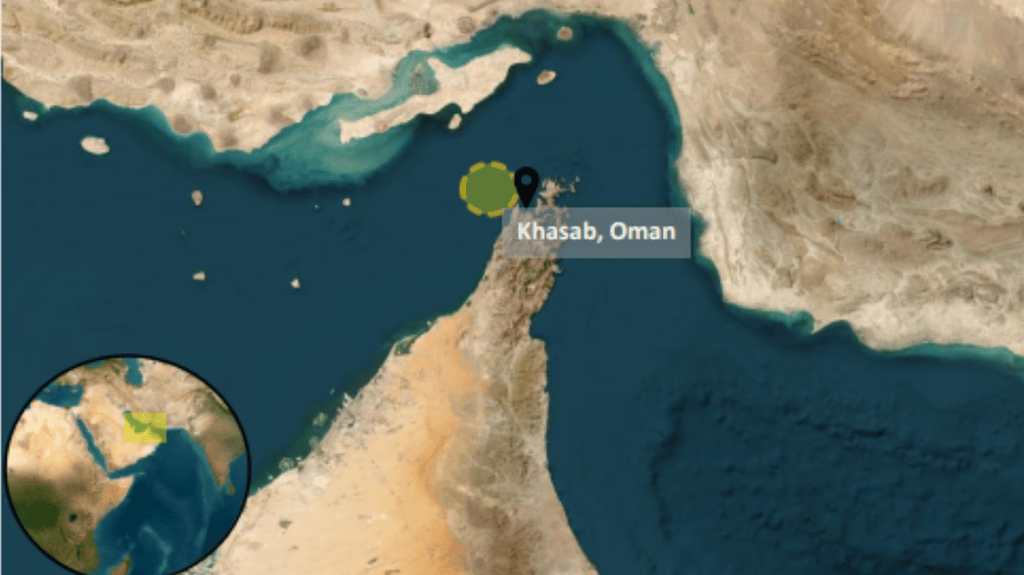
UK Maritime Trade Operations reports that two more vessels have been attacked on the Omani side of the Strait of Hormuz, the latest in a series of strikes and counterstrikes between Iranian and American forces in the Mideast.
At about 1910 hours UTC, UKMTO received a report from the master of a nearby vessel that four projectiles had hit two unidentified ships in the strait, just four nautical miles off Khasab on the northeast side of the Musandam Peninsula. One of the two vessels caught fire, he reported; the other vessel's status is unknown. Iran has not claimed responsibility for the attacks but has conducted all previous similar strikes in this area of the strait.
The reported strikes follow shortly after a series of recent U.S. retaliatory attacks on Iran's tanker fleet, including two sinkings, the Iran-linked Riesco and the Kylo. Oil slicks near their last reported positions have been identified by RFI, a possible confirmation. Going forward, U.S. officials have pledged to follow a "tanker for a tanker" retaliation model for each subsequent Iranian strike.
The newly reported attacks add to market concerns about oil supplies, and Brent crude rose to $109 by the end of the day. Also factoring into traders' decisionmaking, infrared satellite sensing suggests disruption (possibly heavy flaring) on the East-West Pipeline connecting Saudi's oil-producing Gulf coast with the Red Sea.
The line moves about five to seven million barrels of oil per day for refining or export, relieving much of the pressure created by Iran's restrictions on the Strait of Hormuz. Any interruption in its operations would further restrict supplies of crude, which are already running at or below global demand; global stockpiles are at multiyear lows.

that matters most
Get the latest maritime news delivered to your inbox daily.
Possible explanations for the heavy smoke and thermal anomalies along the pipeline include high-volume flaring for operational purposes. Other possibilities include an attack by Houthi forces, which are currently engaged in active combat with Saudi-backed government forces within Yemen. The Houthi group began launching drone and missile strikes on refineries and oil storage sites across the border in southwestern Saudi territory earlier this week, with serious effects on the 400,000-bpd Jazan refinery.
Definitely a hot smoke plume, but that has happened during previous emergency flaring.
— Yet another commodity guy (@tleilax___) September 10, 2026
Fair to say something is wrong with the E/W pipeline. https://t.co/vVe5QFo0f2 pic.twitter.com/VGA0VuHS1O
