


Oman’s Maritime Security Center Tightens Transit Rules
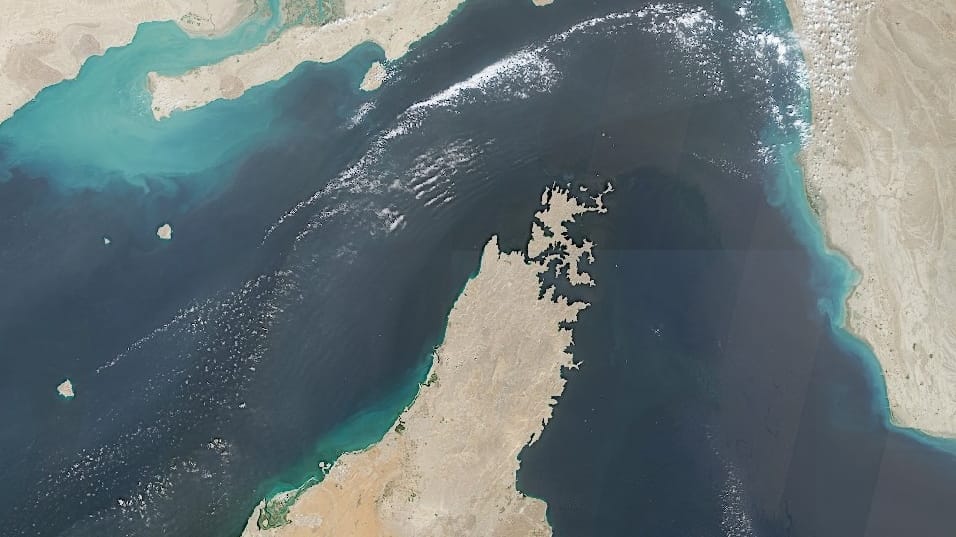
Oman’s Maritime Security Centre has issued a series of new instructions regarding the passage and presence of ships transiting its territorial waters.
The new regulations are grounded in a Royal Decree (30/2026) published at the beginning of the year, before war broke out, and are based on the interpretation of the Royal Decree made by the Ministry of Transport, Communications and Information Technology. The Ministry is responsible for oversight of maritime matters in the Sultanate, and has been known for its commitment to the UN Convention on the Law of the Sea.
The new instructions do not apply either to warships, to ships designated for military purposes, or to vessels making their way to Omani ports. In other words, the rules apply to vessels transiting through Omani territorial waters, or those who wish to anchor in Omani territorial waters.
Foreign-flagged vessels are required to apply for a formal navigation license through a shipping agent at least three days in advance. Licenses will not be issued unless vessels have valid flag registration and insurance certificates, including Protection and Indemnity (P&I) insurance.
Once licenses are issued, vessels must observe a new set of requirements:
- Only enter protected or restricted areas after having obtaining official approval. It is not clear where such areas are, but will presumably be updated in Notices to Mariners.
- Declare weapons and ammunition and obtain the required licenses.
- Refrain from photographing public and private properties.
- Maintain continuous operation of AIS while in Omani territorial waters.
Enforcement of these regulations will pose a considerable challenge to the Omani Coast Guard, given the volume of traffic and that the regulations apply to vessels transiting Omani territorial waters. Many such vessels may enter and exit Omani territorial waters before enforcement action can be taken.
It is not clear what particular incident has prompted the Maritime Security Center to publish this tighter application of the rules, first set out in Royal Decree 30/2026 and published on February 2. But it is likely to be an accumulation of incidents which has forced the Maritime Security Center’s hand. These are likely to include:
- The IRGC’s operation of unmarked boats in Omani territorial waters, conducting reconnaissance, mine-laying and attacks against shipping in transit.
- The operation of shuttle tankers through the Strait of Hormuz, which tend to remain in territorial waters, but which are subject to regular attack by the IRGC
- The possible covert use of civilian shipping to conduct clandestine military operations, in particular to provide anti-drone and missile protection against IRGC attack.
- The increasing use of Omani waters by dark fleet tankers with invalid or fraudulent flag registration and lacking valid P&I insurance, and others conducting ship-to-ship transfers of crude and LNG

that matters most
Get the latest maritime news delivered to your inbox daily.
Following the publication of the new regime by the Maritime Security Center, it remains to be seen how the new system will be enforced, and how it works out in practice. But the new regime marks a significant tightening of controls and assertion of Omani sovereign rights.
It will be a challenge to return order to what is currently something of a free-for-all, where there is not only significant risk of military attack from the IRGC - but also navigation hazards created by disuse of the designated channels in the center of the strait, a consequence of the ongoing conflict.
