


U.S. Navy Picks Seven Contenders for Medium USV Program
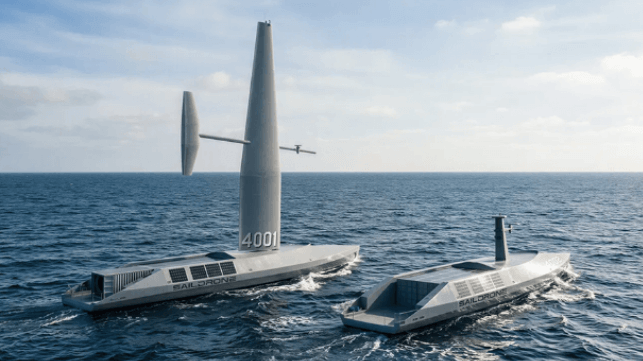
The U.S. Navy has picked out seven different designs for its Medium Unmanned Surface Vessel competition, moving ahead with the most promising candidates in the field. Industry partners - including many newcomers to the defense ecosystem - submitted more than two dozen designs, Navy officials told USNI and Breaking Defense.
The "marketplace" design for the MUSV program was initiated during the tenure of former Navy Secretary John Phelan, and it replaced a previous procurement program called MASC (Modular Attack Surface Craft). The service's hope is that the competitors will absorb the R&D cost of fielding, testing and proving out prototypes, saving funds for the taxpayer while encouraging more competition. Only viable, operating vessels that can complete at-sea demonstrations will move on to the next phase.

that matters most
Get the latest maritime news delivered to your inbox daily.
A Navy spokesman told Breaking Defense that competitors must be able to conduct a successful demonstration by October for consideration - restricting the competition to firms that already have a fully realized design, and likely a hull in construction or complete. The number of potential entrants that would fit that requirement is limited. Known competing companies and consortia in this space include Saronic; Hanwha/HavocAI; Hanwha/Magnet Defense; Blue Water Autonomy/Conrad Shipyard; Sea Machines; Anduril/HD Hyundai; and Saildrone/Fincantieri/Lockheed Martin.
The Navy has the funding to put into procurement for the winners of the "marketplace" contest. The One Big Beautiful Bill Act allocated $2.1 billion for medium USVs and $188 million for unmanned vessel R&D, on top of the Navy's FY2026 defense bill appropriations. The FY2027 proposed budget has room to be far more generous - it would provide $1.5 trillion for the military as a whole, if approved - and it calls for "unprecedented investments" in unmanned systems in general.
