

Toxic Fumes May Have Killed the Passengers of Burned-Out Ferry June Aster
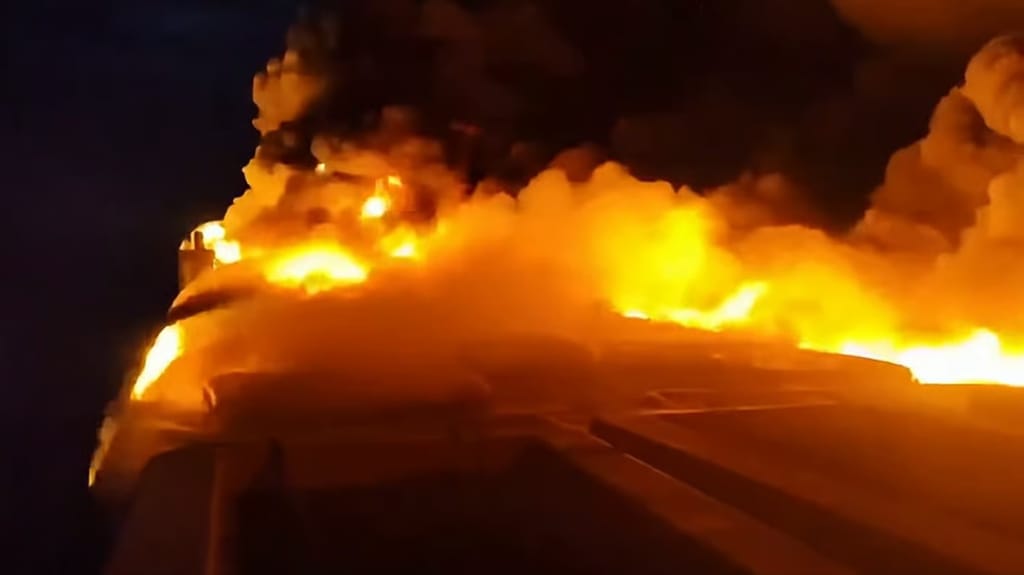
The Philippines' Bureau of Fire Protection has completed an initial investigation into the deadly fire aboard the ferry June Aster, which killed 77 off the coast of Palawan in September. The agency determined that faulty lashing may have allowed a chemical cargo to spill onto a shipment of solid asphalt, starting a vigorous fire.
According to the BFP, June Aster was delayed for four days before departure and continued to take on additional cargo during the period. New additions in the ro/ro cargo bay included blocks of asphalt and drums of calcium hypochlorite, also known as bleaching powder, a chemically-reactive chlorinating agent used for water treatment. It is a powerful oxidizer and must be stowed away from organic materials and sources of heat for safety; according to IMDG Code guidance, it can start a fire by itself if it comes into contact with carbon-based materials. Once heated, it decomposes and releases oxygen gas, a powerful fire hazard, and chlorine gas, a deadly toxin. It is a well-known and notorious fire risk in merchant shipping.
The hypchlorite and the asphalt blocks were stowed together aft on the cargo deck next to the engine room, BFP Superintendent Wilberto Rico Neil Ang Kwan Tiu told reporters on Friday. The cargo may have been exposed to above-ambient heat from the engine room at that location, Tiu said.
On the evening of September 9, as the vessel was under way in the Strait of Coron, it encountered rough weather. The cargo of hypochlorite broke loose, mixed with the asphalt, caught fire and emitted large volumes of "highly toxic" smoke - the likely reason for the high number of fatalities. Some victims may have been killed before any consideration of evacuating the ship.
"It’s possible that before they could even feel the heat, they had been suffocated. Given that it was 18:30, it was already dark and nighttime, they were likely in their bunks, which explains the high number of casualties — 77," said Tiu, per Balita.com.
The vessel operator, members of the crew and port personnel face serious criminal charges in connection with the stowage of the cargo and the fatal outcome, Tiu said.
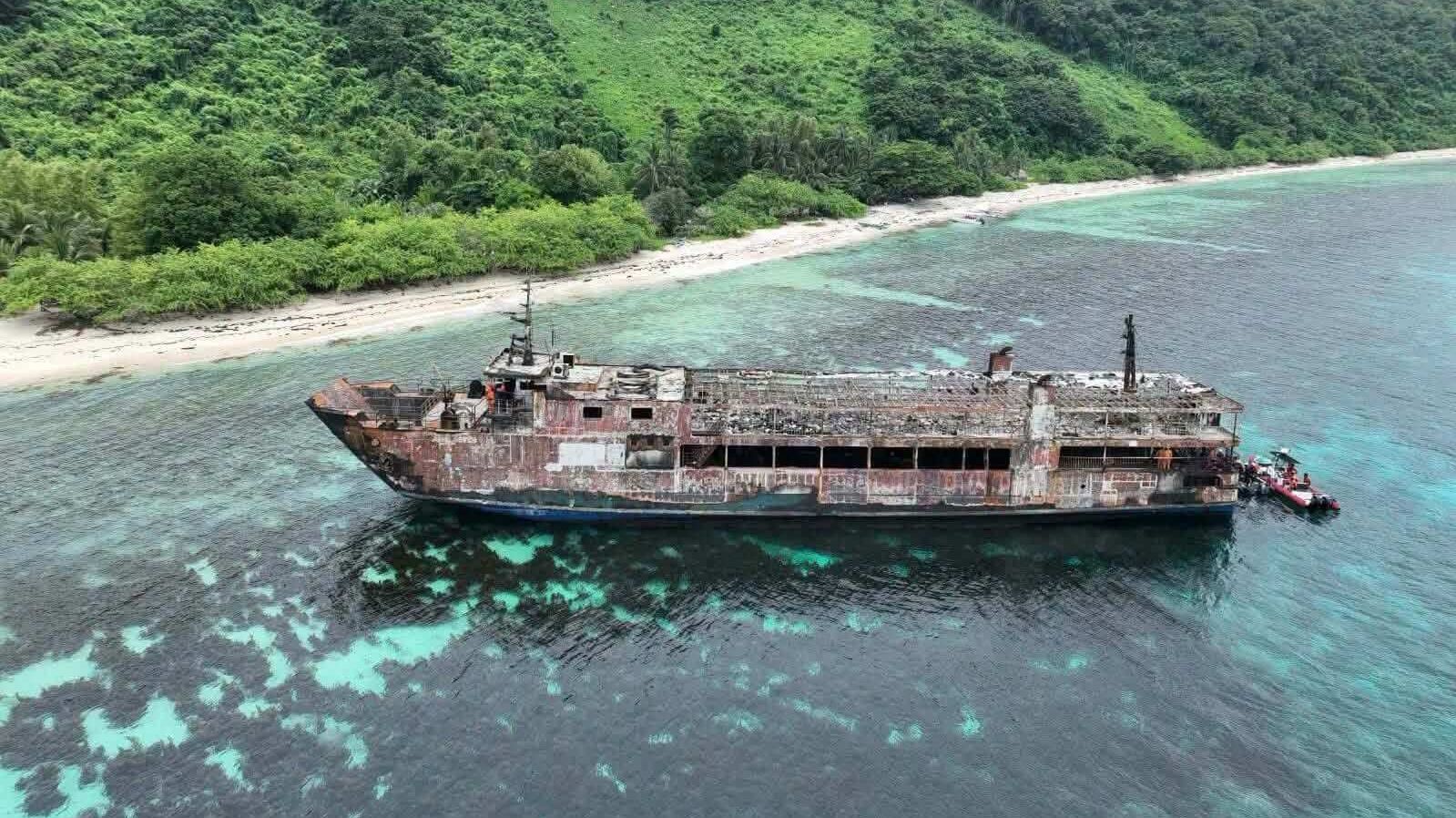
June Aster aground after the fire (Courtesy PCG)

that matters most
Get the latest maritime news delivered to your inbox daily.
Given the evidence so far and the severity of the casualty, the Philippine Department of Labor and Employment (DoLE) has ordered a work stoppage for half a dozen other vessels in the fleet of Atienza Interisland Ferries, the June Aster's operator. The order follows detailed inspections of Atienza's fleet, which uncovered further labor-regulation and safety deficiencies. DoLE inspectors reported evidence of unpaid wages and overtime, inadequate PPE, and insufficient safety management programs.
The affected interisland vessels include Star San Carlos, September Tulips, December Poinsettia, October Lavender, May Lilies, and November Cattleya - all currently located in the Manila area. The order requires Atienza to continue to pay affected crewmembers during the stand-down.