


Storm Isaias is Set to Become a Hurricane as it Approaches Gulf Oil Patch
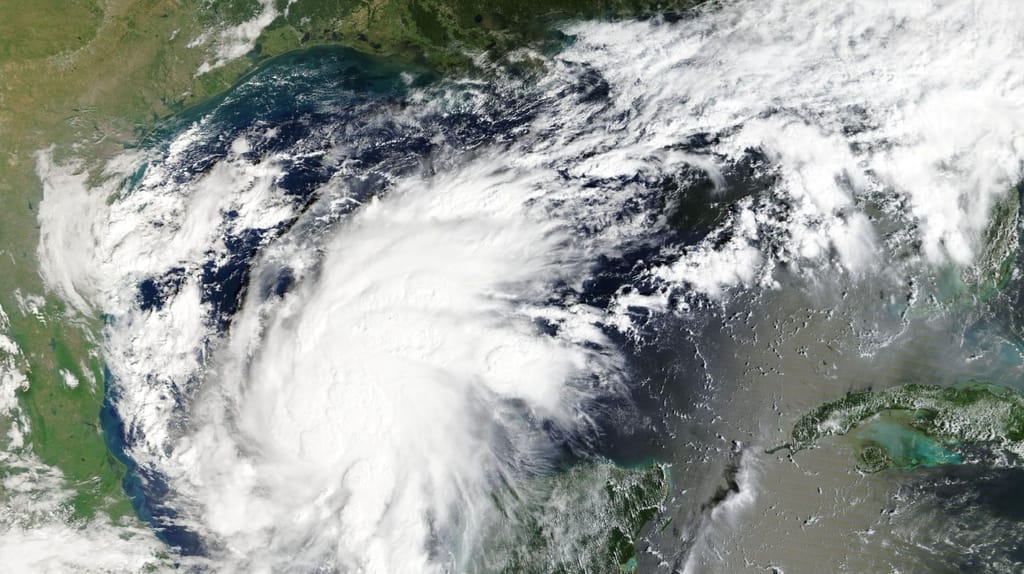
Tropical Storm Isaias is strengthening swiftly as it heads towards the U.S. Gulf Coast, and is expected to reach hurricane strength by the time it makes landfall near the Florida Panhandle. The storm's probable path will take it near to U.S. offshore oil and gas infrastructure, with near-term effects in the form of evacuations and well shut-ins.
In its Wednesday afternoon update, NOAA's National Hurricane Center said that Isaias' intensity was about 55 knots, expected to rise to 95 knots before landfall on Friday. Strong upper-level wind shear is expected to limit its strength. A hurricane watch has been issued between Bay St. Louis, Mississippi and Indian Pass in the Florida Panhandle; NHC warned of the possibility of damaging winds, dangerous storm surge and extended power outages for residents in this region. Storm surge levels could reach up to seven feet in some coastal areas of Mississippi and Alabama, and up to five feet in the Florida Panhandle.
The affected warning area covers a large segment of the U.S. shipbuilding industrial base: Ingalls Shipbuilding and Bollinger in Pascagoula, Birdon and Metal Shark in Bayou La Batre, Austal USA and Alabama Shipyard in Mobile, and Eastern Shipbuilding in Panama City and Port St. Joe, among others.
The storm is expected to continue to bring heavy rainfall along the Gulf Coast and inland areas until Saturday, potentially leading to isolated areas of flash flooding.
The storm's path is expected to run near the eastern edge of the Gulf oil patch, and some offshore infrastructure is within the NHC's warning cone for probable storm path. Risk of elevated winds and waves is prompting a small number of rig operators along the easternmost edge to curtail work and evacuate personnel. The newly-unified Marine Minerals Administration - formerly the Bureau of Ocean Energy Management and the Bureau of Safety and Environmental Enforcement - said in a statement that as of Wednesday, eight production platforms and two non-DP rigs have been evacuated. One DP rig has temporarily moved off-location to get further away from the storm's path.

that matters most
Get the latest maritime news delivered to your inbox daily.
As a precautionary measure, offshore wells totaling about 25 percent of all Gulf oil production and 16 percent of the region's gas production have been shut in. Industry operators will bring these wells back online after a post-storm inspection, usually with a fast turnaround time.
The shut-ins will temporarily remove about 0.5 million barrels per day of production from the global market, adding slightly to the crude oil market disruption caused by ongoing conflict in the Mideast. Because of dueling blockades in the Strait of Hormuz and the Red Sea, deliveries of newly-pumped oil are several million barrels below global demand, leading to a protracted drawdown on commercial and strategic reserves. The net draw rate on global oil stocks averaged about two million barrels per day in the third quarter, according to recent estimates from the Energy Information Administration.
