


Overcapacity Looms Over Container Shipping as Supply Pressure Mounts
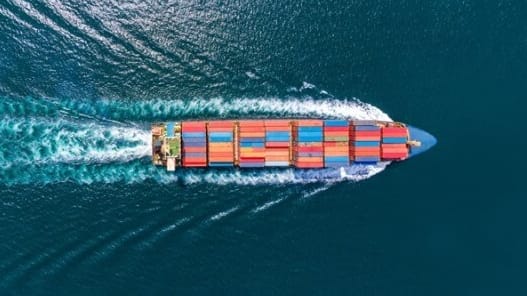
The return of container vessels to the Suez Canal - Red Sea route is likely to have a profound impact on the sector, especially as it continues to roll out new vessels and other issues begin to subside. In a new analysis of the container market, trade group BIMCO highlights that even with the Strait of Hormuz closed and disruptions persisting, supply pressure is mounting for the container shipping market.
Global container volumes grew 5.1 percent year-on-year during the first seven months of 2026, according to BIMCO’s calculations. It reports that strong growth in non-Persian Gulf trades more than offset falling volumes to and from South and West Asia, while exports from East and Southeast Asia accounted for more than half of year-to-date growth.
Strong growth in trades not involving the Persian Gulf has helped to keep the supply versus demand curve in balance so far in 2026, writes BIMCO. It also points to the continued unavailability of some vessels helping to reduce capacity, along with the ongoing rerouting of vessels via the Cape of Good Hope to avoid perceived dangers in the Red Sea.
Other factors have also been at play of late in the sector. Xeneta highlights that schedule reliability among container carriers dropped dramatically in August to 29 percent overall, down by approximately four percentage points from July. Xeneta notes that the Far East – Europe corridor suffered the most from delays. It says tardy vessels and extended waits have been complicating the trade and the upcoming contract negotiations.
Some of the issues are likely to resolve themselves, such as the congestion and backlog in the Far East. Xeneta points to the lingering effects of back-to-back typhoons, which it says contributed to 1.1 million TEU of freight stuck at anchorage in Ningo, Shanghai, and Yantian.
Container vessels are also averaging slower speeds, notes BIMCO, possibly to save fuel. It is forecasting that carriers will continue to reduce speeds during 2027.
As some of the issues work out and as more carriers ranging from CMA CGM to Maersk, Hapag-Lloyd, MSC Mediterranean Shipping, COSCO and OOCL return to the Suez - Red Sea routing, capacity is likely to be freed up. BIMCO estimates that if the gradual normalization continues during 2027, ship demand growth could end five percentage points lower than forecast. It says once routings fully normalize, ship demand could be 10 percent lower than if Cape of Good Hope remained the preferred routing.
Also contributing to the weakening outlook is container vessel capacity, which BIMCO forecasts will grow 4.6 percent in 2026 and 9 percent in 2027. It notes that the sector has already reached a capacity of 34 million TEU while the orderbook now exceeds 14 million TEU, equal to 42 percent of the existing fleet. It forecasts a modest level of vessel recycling, 140,000 TEU, but notes 1.6 million TEU of capacity is on vessels older than 25 years.

that matters most
Get the latest maritime news delivered to your inbox daily.
Accelerated fleet growth, warns BIMCO Chief Shipping Analyst Niels Rasmussen, could weaken the supply/demand balance in 2027.
The wild card remains the Strait of Hormuz, with BIMCO noting that it has scenarios for the strait being open or closed. Continued energy market disruptions, it warns, could reduce container demand growth significantly. In both an open or closed scenario, however, BIMCO warns that ship supply is forecast to grow faster than demand in 2027.
