


MARAD Takes Over Environmental Reviews for Offshore Energy Ports From USCG
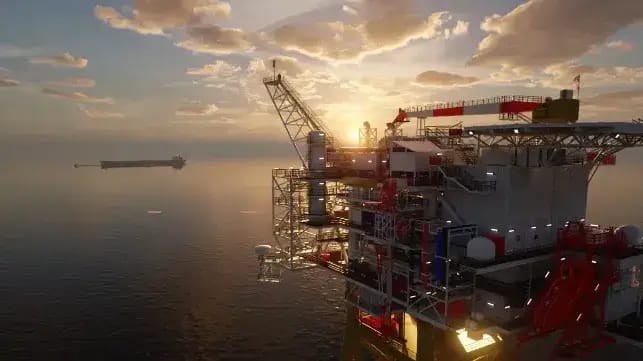
The Maritime Administration has taken over the environmental compliance process for "deepwater port" development from the U.S. Coast Guard, the two agencies announced Monday. The change covers offshore energy ports as defined by the Deepwater Port Act of 1974 (DWPA), which applies to fixed and floating oil and natural gas terminals in U.S. waters - for example, the familiar single-point moorings of the Louisiana Offshore Oil Port. The Coast Guard says that the change will support the Trump administration's interest in boosting the American maritime and energy sectors.
“The Deepwater Port Program is a key pillar of President Trump’s energy dominance strategy. With this change, we’ll soon accelerate project approvals so the nation can safely utilize more of its abundant natural resources, create more high paying jobs, and lower energy costs for American families,” said U.S. Transportation Secretary Sean Duffy in a statement.
Previously, the U.S. Coast Guard's administrative staff handled National Environmental Policy Act (NEPA) permitting for DWPA port applications, which have increased in number in recent years. The NEPA process, better known by the name of its most formal product, the Environmental Impact Statement (EIS), is the most comprehensive environmental review applied to federal permitting actions.
Across the government, the median time to complete an EIS process currently averages about two years, according to the White House's Council on Environmental Quality. Overall DWPA permitting timelines have recently run much longer: the Texas GulfLink oil terminal project took six years from filing to approval. MARAD has received 31 license applications for deepwater DWPA projects since 1974, of which 11 have been approved, according to the agency's public list.
Going forward, MARAD will direct all federal environmental reviews for DWPA license applications, with an eye to efficiency. The USCG will keep its maritime safety and security role, with oversight over design, construction and operation of new deepwater ports.
In a statement, the USCG noted that the change was required by Congress in the Coast Guard Authorization Act of 2025, which redefines MARAD as the lead agency for NEPA reviews of deepwater port projects.
In a statement Monday, the American Association of Port Authorities (AAPA) voiced its support for the change. “The US port industry is proud of its key role exporting American energy products that power the world,” said John Bressler, AAPA Vice President of Government Relations. “AAPA commends the Trump Administration for common sense policy changes, like these, that cut red tape and speed up the environmental review process. They are good for America’s ports, our economy, and whole nation.”
At least one expert has suggested that the previous arrangement was the right choice. In an op-ed last year, former MARAD chief counsel Jeff Lewis (now with Cozen O’Connor) warned that transferring the responsibility for deepwater port environmental review to MARAD would be ill-advised. The existing division of labor combined the respective strengths of both the Coast Guard and the Department of Transportation, and changing it could overburden MARAD, he suggested.

that matters most
Get the latest maritime news delivered to your inbox daily.
"While there has been frustration among some applicants in recent years with the slowness of the review process, I would argue that this current division and specialization of roles between Coast Guard and MARAD is an outgrowth of the agencies’ inherent, organic capabilities, and should be left as it is," Lewis wrote in an op-ed last year. "MARAD does not possess [NEPA review] competencies at all. Nor does MARAD have the resources—both human and financial—while the Coast Guard does."
