


Key Saudi Pipeline Could Be Slowed for Weeks, Affecting Global Oil Trade
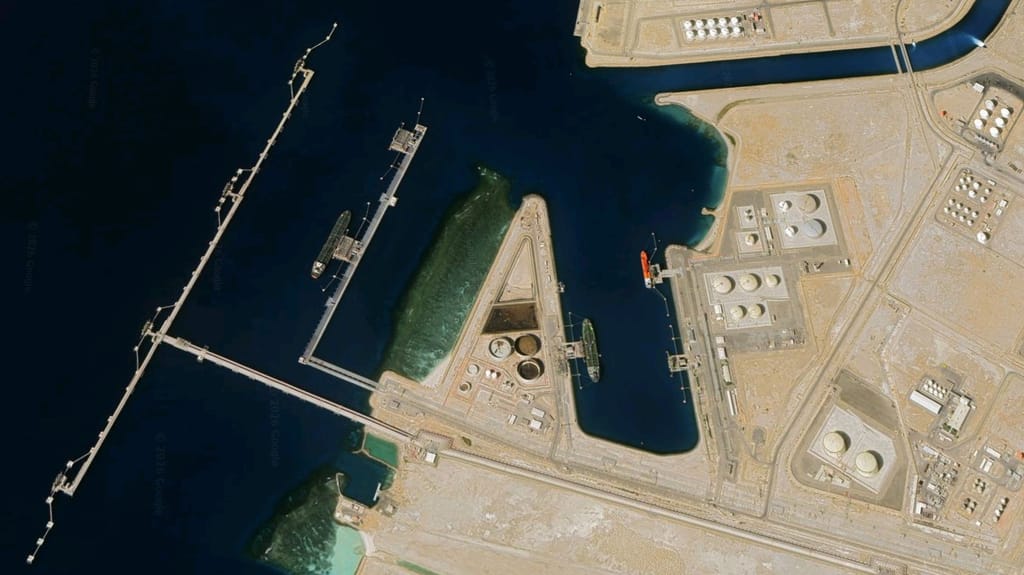
Recent attacks on Saudi Aramco's East-West Pipeline have raised concerns in the oil market about the continued availability of cargoes. The concern appears to be justified: officials familiar with the damage assessment believe that it will take 3-5 weeks for pipeline flow to be fully restored, according to the AP. Given the size of the oil supply in storage sites to seaward of the pipeline damage, Aramco's Red Sea stockpiles could run low and its export loadings could begin to slow by the end of the week.
The most significant impact of the pipeline attack was the destruction of a large pumping station, which is needed to maintain pressures and flow rates over the 750-mile length of the line. The station was thoroughly destroyed in the attack, officials say. Satellite imaging shows construction under way on a bypass line around the pumping station, which may allow operations to resume at a lower rate while repairs are under way. Officials told AP that they were not certain just how much oil the line would be able to move without the station to boost pressure.

that matters most
Get the latest maritime news delivered to your inbox daily.
Saudi Red Sea loading terminals, which have lately accounted for about four percent of the total global oil supply, will be closely watched in the week ahead. Benchmark Brent crude settled at $106 on Monday, reflecting expectations of a tight market in months to come.
As predicted by many analysts, a Saudi official confirmed to Bloomberg on Monday that Saudi Aramco's efforts to ship oil through the contested Strait of Hormuz would be increased in order to offset the impact of the pipeline shutdown, despite the risk of Iranian attack in the narrow waterway. Hormuz flows have ticked radically upward over the past week on the back of increased "shuttle tanker" activity between the Arabian Gulf and the Gulf of Oman. Increased Saudi activity on this route would help offset any impact from a slowdown at Yanbu.
