


IRGC Navy Rejects Oman's Safe-Passage Plan for Strait of Hormuz
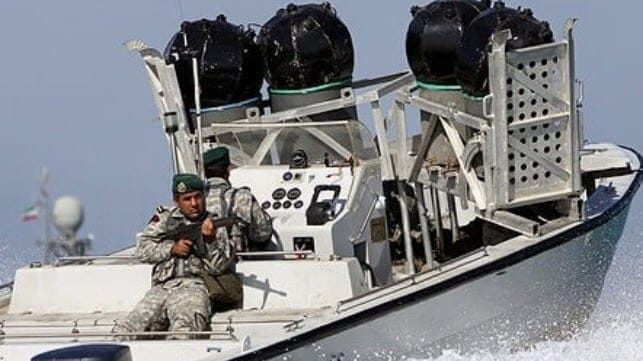
In a brief message released Wednesday night, Iran's Islamic Revolutionary Guard Corps Navy said that it rejects the newly-announced Omani safe transit route through the southern half of the Strait of Hormuz. The route is one of two options offered by the IMO's safe transit plan for Hormuz exits.
"The proposed route is unacceptable and poses serious safety risks," the IRGC Navy said in a brief statement. In the context of recent Iranian attacks on shipping, the "safety" warning carries the weight of a credible threat.
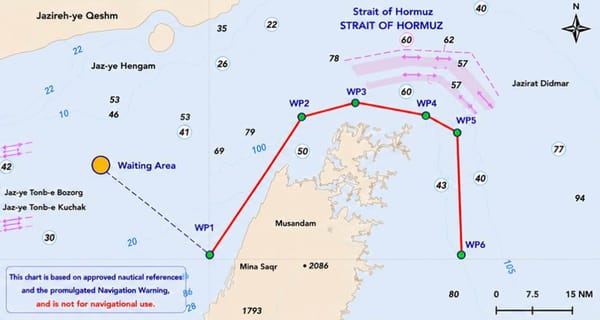
The IMO/Omani route to the south of the TSS, near the Musandam Peninsula (Sultanate of Oman)
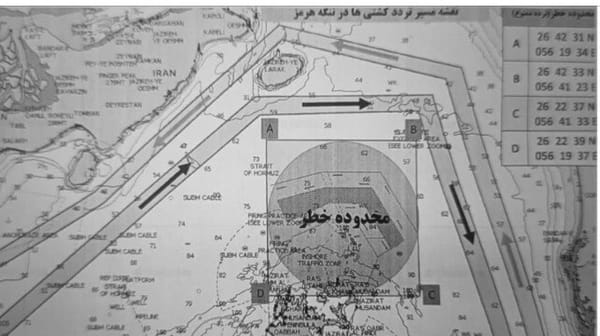
The IRGC Navy route to the north of the TSS, near Qeshm (IRIB)
The IRGC Navy is in charge of administering on-the-ground operations of Iran's preferred route through the Strait of Hormuz, which runs on the north side of the waterway past Qeshm Island (above). Iran previously sought to charge fees for the use of this route, and - before the recent U.S.-Iran ceasefire MOU - it routinely attacked ships that attempted to bypass its "authority" by using the southern stretch of the strait. It still has long-term plans to administer traffic in the strait, in conjunction with Omani authorities, with the intention of implementing a fee structure for as-yet-unspecified maritime services.

that matters most
Get the latest maritime news delivered to your inbox daily.
The IRGC Navy's new threat comes amidst a significant uptick in shipping volume through the strait. On Tuesday, about 30 ships made the passage, including the first few transits on the new IMO/Omani route. The Omani passage consists of a designated waiting area inside the Gulf and six waypoints around the Musandam Peninsula, keeping ships just south of the original Traffic Separation Scheme, which is believed to be mined.
The route is contained within Omani waters and jointly coordinated between the Sultanate of Oman and the IMO. From start to finish, it is a short 4-5 hour voyage - but a nerve-wracking one for seafarers, given the 11 mariner deaths that have occurred to date in the conflict.
