


Iran's Strait of Hormuz Checkpoint is Key Factor in Diplomatic Talks
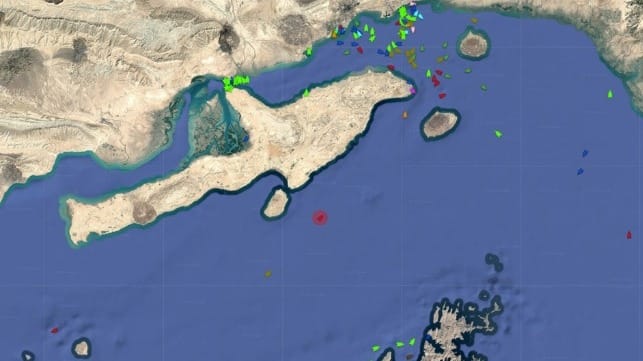
As Iran's Gulf neighbors hunt for a negotiated solution to the ongoing Gulf conflict, hoping to find a deal that could appease both Tehran and Washington, one item is a likely sticking point. Through threats and coercion, along with a likely deployment of sea mines, Iran has set up a transit corridor allowing it to direct and profit from passages through the Strait of Hormuz - and it will not want to let go.
Lloyd's List has identified two ships that have paid for safe passage, including one tanker reported to have paid about $2 million. If multiplied through by the 130-plus transits that the Strait of Hormuz sees every day, the fee structure would earn Iran tens of billions of dollars per year, even if the average per-ship charge were lower. It would also give Iran powerful diplomatic leverage over every nation that needs use of the waterway. So far, several countries appear to have made arrangements, notably India, which recently received the first tanker full of Iraqi oil to exit the strait since the start of the conflict.
The tolling system is in principle acceptable to President Donald Trump, who told reporters on Monday that the next person to control the strait would be "me and the ayatollah - whoever the next ayatollah is." But Iran's neighbors do not approve of the new "toll booth" arrangement at the strait. In quiet diplomatic talks with Tehran, GCC countries have pressed for an agreement to reopen the strait for all traffic under a committee management structure, according to the Wall Street Journal. (Conflicting reports suggest that GCC participation in the talks may be mediated by parties from outside of the conflict zone, including Pakistan and Turkey.)
The Islamic Revolutionary Guard Corps (IRGC) is said to have no interest in giving up control and transit fee revenue at the Strait of Hormuz post-war. Saudi authorities are said to be unwilling to leave the strait in the IRGC's hands, and the leadership in Riyadh is ratcheting up its support for the U.S. side of the fight, the WSJ reports - with the possibility that Saudi forces might join in the effort directly. So far, the GCC nations have held back from military confrontation with Iranian forces, and have only attempted to blunt Iran's drone and missile fire with air defense systems.

that matters most
Get the latest maritime news delivered to your inbox daily.
The GCC's talks with Iran are in early stages, with wide gaps between U.S. and Iranian positions, multiple outlets report. Trump has given Tehran until Friday to release its hold on the strait, or face destruction of its power generating infrastructure; the announcement delays the 48-hour deadline that he imposed over the weekend. Iran has pledged to counterattack with a strike on water desalination plants and energy targets around the region if its power grid is hit.
Israel has its own parallel objectives, and it continued to trade strikes with Iran overnight Monday. Six were injured in Tel Aviv after an Iranian missile launch targeting central Israel, and the Israeli government claimed to have killed two more Iranian nuclear scientists in recent attacks. "We will safeguard our vital interests under all circumstances," Israeli Prime Minister Benjamin Netanyahu said Monday.
