


Iran Demands $12B Up Front for 60-Day Ceasefire Extension
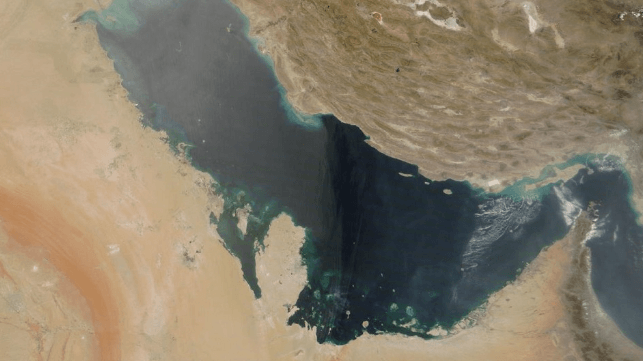
In order to open the Strait of Hormuz and obtain some degree of restriction on Iran's nuclear program, the Trump administration may have to give Tehran access to billions of dollars in frozen assets, according to The Telegraph. The Iranian demand is politically perilous for the White House since it would have the appearance of a payment to Iran, and it would conflict with administration's messaging of "total and complete victory."
According to the Telegraph's sources, Iranian negotiators are demanding the release of a total of $24 billion in frozen overseas assets in exchange for a 60-day ceasefire extension (not a final settlement). Half of that money, $12 billion, would have to be released up front in order to get the memorandum signed and begin the process of further negotiations.
"Our demand is the release of the frozen assets – not in the future, but right now," an Iranian official confirmed to the Telegraph.
"No negotiations are possible without depositing Iran’s blocked funds."
Trump and his allies have long criticized the Obama administration for releasing frozen Iranian funds to secure the Joint Comprehensive Plan of Action (JCPOA) in 2015. Just four days ago, Trump took to social media to accuse former President Barack Obama of "funding Iran" - a difficult choice he now faces himself.

that matters most
Get the latest maritime news delivered to your inbox daily.
The administration and the Iranian regime are said to be nearing a final decision, though it is by no means certain. Iran's hardline leadership is said to be dissatisfied with the terms; Trump's aides have signaled that he would like several more days to think about it as well; and military actions in and around the Strait of Hormuz could threaten to upend the ceasefire agreement. An exchange of fire overnight Wednesday - starting with an Iranian drone attack, continuing with a U.S. counterstrike, and culminating in an Iranian ballistic missile strike on Kuwait - led U.S. Central Command to declare a formal "ceasefire violation" for the first time since the truce took effect.
If the two sides do agree on the negotiated 60-day ceasefire proposal, and the payments are released, talks would begin on the details of limiting Iran's nuclear program. Accounts vary, but the details would likely include a lifting of the U.S. naval blockade; an Iranian commitment to restore normal traffic levels in the strait, without restrictions; and a non-binding Iranian pledge not to pursue a nuclear weapon, a longstanding Iranian policy position.
