


IEA: Russian Diesel Deal Won't Change Tight Global Energy Market
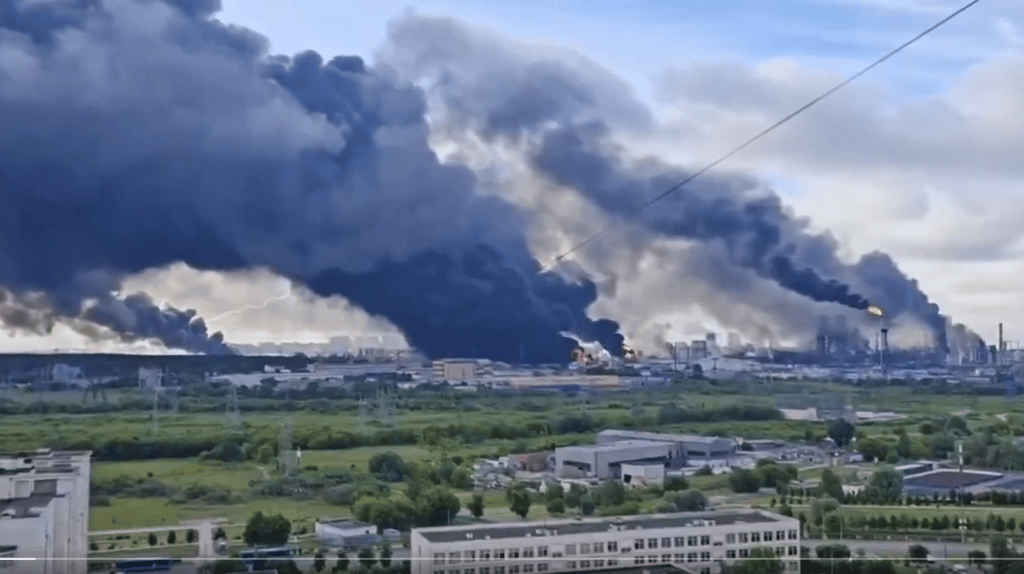
The tight global market for diesel fuel is likely to extend well into 2027, according to the latest analysis from the International Energy Agency, meaning that record prices may be here to stay through at least the first quarter of 2027 - and maybe longer, depending upon the conflicts in the Mideast and Ukraine.
The disruption at the Strait of Hormuz, attacks on refineries in the GCC states, and Ukraine's concerted campaign of strikes on Russian energy infrastructure have all put downward pressure on diesel export volume. Increased exports from the U.S. Gulf Coast and (recently) China have helped offset the drop - but overall, the net global supply of diesel and gasoil has fallen by about 1.7 million barrels per day, according to the IEA. Demand for diesel is also down year-over-year, but only by about 0.75 million bpd in the third quarter.
That picture could worsen in coming months because of deteriorating economics for refiners outside of the United States. The price of oil and the cost of tanker charters are both very high, and the net cost for making and shipping diesel is approaching unfavorable levels for some refiners in Asia and Europe. IEA forecasts that if their margins drop further, some of these overseas refiners could decide to make run cuts as a business decision, further tightening the market for middle distillates.
The supply-demand mismatch means high prices. Diesel hit the $220 per barrel mark in the U.S. and in Europe last month, setting records, and average diesel retail prices in the American market are still about 75 percent more than they were this time last year. That added cost trickles down into inflation across all sectors, since diesel is the mobile energy supply of choice for trucking, construction, industry and agriculture.
The shortfall in refinery output also requires suppliers to draw down on inventory. Global stocks of gasoil are down by five percent since before the conflict, according to IEA.

that matters most
Get the latest maritime news delivered to your inbox daily.
Russian refineries are too damaged by previous Ukrainian strikes to make up the gap in the near term, IEA found, despite the White House's announced intention to bring more Russian diesel fuel to market.
"The gasoil market balance will remain tight well into 2027 and is dependent on a recovery of product supply from the Middle East. Failing this, further demand reductions and the heavy economic costs these will entail may be needed to balance markets," IEA concluded.
