

Houthis Threaten to Expand Blockade Claiming Eighth Attack on Saudi Tankers
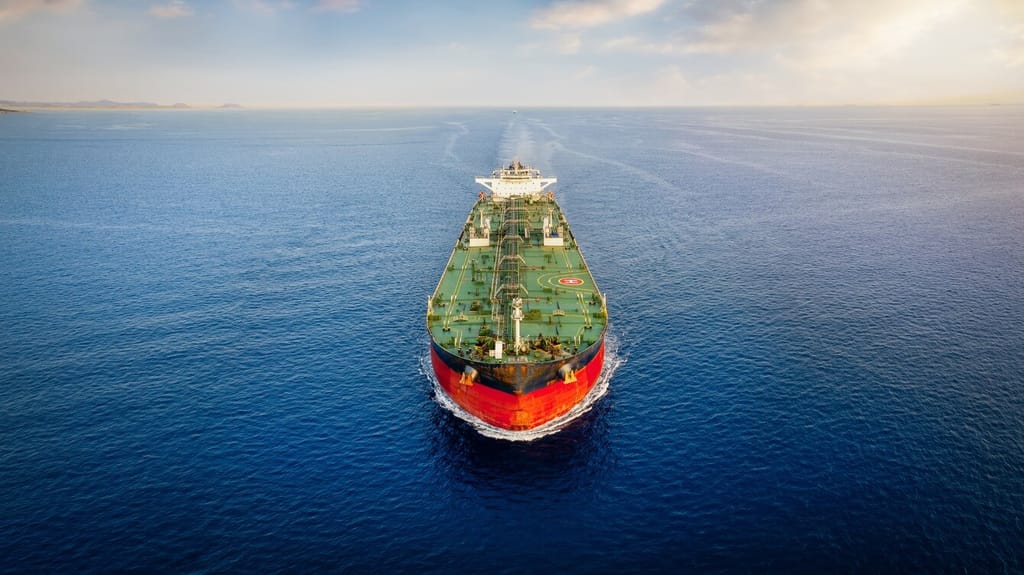
The Houthi rebels in Yemen asserted that they are expanding their blockade against Saudi tankers, reporting an attack on a vessel in the northern reaches of the Red Sea. The group said it would be “tightening the naval blockade” in response to Saudi efforts to reroute tankers to the north, avoiding the Houthi threat near Bab al-Mandab.
In an unconfirmed report, the Houthi spokesperson Yahya Saree claimed on August 5 that they had struck a MR product tanker Wafa (49,990 dwt) outside the Yanbu port complex in the northern Red Sea. Saree always claims “direct hits,” saying the attacks were “precise,” while often the reports turn into near misses or having caused minimal damage.
The product tanker, which was built in 2014, was last reported in the Red Sea, although Windward AI speculates the vessel turned around after the Houthis announced their blockade on July 22. The Saudi-flagged vessel controlled by Bahri has been dark since mid-July. Windward AI points out that if the vessel was in fact struck, it would have been “hundreds of kilometers from the declared blockade zone.”
The Houthis counted this as their eighth attack on Saudi-linked vessels, although only five have been documented. In addition, Saree asserted that 29 Saudi oil tankers have been “forced to turn back in the Red and Arabian seas.” He said the rebels continue to work on the principle of “a blockade for a blockade,” equating the effort to the U.S. blockade of Iran while saying this was specifically against Saudi Arabia for its aggression in Yemen. Experts believe the Houthis are attempting to pressure Saudi Arabia in peace talks for Yemen.
The Houthis on August 4 also claimed an attack on a smaller, regional Saudi airport, Najran, which is located just north of the border with Yemen. Saree asserted the attack was in response to Saudi forces violating Yemen’s airspace with drones.
Yanbu, Saudi Arabia, has reemerged as a major oil terminal since the start of hostilities in the Persian Gulf and the closing of the Strait of Hormuz. Saudi Arabia accelerated crude oil shipments through its desert pipelines to the terminal and refinery on the Red Sea. Tankers have been loading at the terminal to continue oil shipments to the Far East, and while they can head north to the Suez Canal, it is a longer route, and the large tankers have to transship the oil overland to make the canal transit.
Saudi Arabia said last week it was meeting with a coalition of nations to launch a further protection effort for shipping in the Red Sea region. It said 14 nations were supporting the effort, although no details have been reported on the formation of the force.

that matters most
Get the latest maritime news delivered to your inbox daily.
The Houthis have limited their threats to Saudi-linked vessels and did not take responsibility for the reported sinking of an Indian cargo ship on August 4. The government of Yemen, however, said the vessel was attacked by the Houthis. India condemned the attack.
Other vessels appear to be continuing to make the transit through the Bab al-Mandeb. Windward AI reported that 22 tankers linked to China have transited the region between July 20 and August 2. The tankers were going to Yanbu to load oil from Saudi Arabia. Unconfirmed reports have said the Chinese have an agreement with the Houthis for the safe passage of their vessels, which are frequently seen transmitting their Chinese ownership and crew on the AIS signal.