


Iran’s Floating Oil Stocks Run Dry
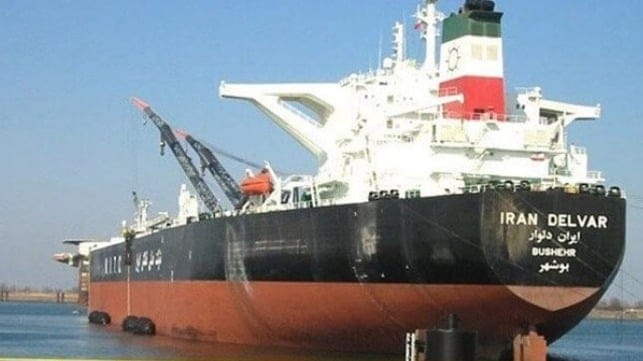
The US naval blockade has prevented any Iranian or dark fleet tanker from leaving the Gulf, and this 100 percent effective blockade has now been in place for 10 weeks. In the short gap during the summer when restrictions on Iranian ships and ports were temporarily lifted, Iran was able to rush out a stockpile afloat that had built up within the Gulf. These shipments were used to restock its floating reserve, which was then held mostly off Malaysia, whose sympathies with the Iranian regime are well-known.
But in the intervening period, Iran has only been able to meet the demand of its almost wholly Chinese customer base by selling crude from these stocks held afloat. Until this month, Iran has been able to sustain its flow of revenues by drawing down on these stocks.
Now, however, the stock has nearly run dry. Kpler estimates that at the beginning of October there was a stock of 15mb still held afloat, and that this would clear by mid-October. Others believe that the stock will last a little longer. But in any case, the invoices for the remaining sales must be cleared within two months, meaning that by the end of December, the Iranian government will have lost a revenue stream that hitherto has provided about 40 percent of government finance.
This drastic cut in money coming in does not mean that the regime will collapse immediately. What money remains in state coffers will likely be reserved for national security priorities – rebuilding the nuclear program, manufacturing ballistic and air defense missile stocks to replace wartime attrition, and paying the wages and running costs of the Basij internal security apparatus on which the ruling elite depend to keep them in power. In the first instance then, the pain will fall on ordinary Iranians.
The pain falling on ordinary Iranians will take the shape of additional shortages of power and fuel as winter closes in, and a reduction of imported foodstuffs on which Iran depends. There are also likely to be instances when industrial and oil and gas workers are not paid or paid late, prompting strikes and industrial action. With inflation running at about 90 percent, according to Trading Economics, ordinary Iranians will soon find that wages, which inevitably will fall behind inflation, are insufficient to pay even a basic weekly grocery bill, let alone to keep households warm and transportation needs for work purposes fueled.
Whereas political protest for most Iranians is an option, and a dangerous one at that, protest and street demonstrations against an impossible cost of living and an absence of bare essentials, may become the only recourse that Iranians have – and one for which the security forces may have considerable sympathy.
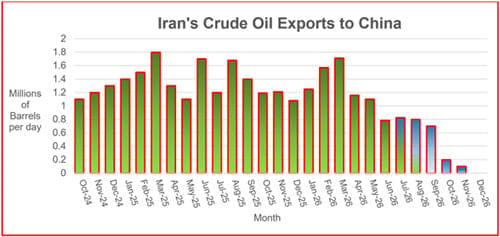
Iranian oil exports, of which previously 90% went to China, are likely to run out imminently, draining the last stocks held afloat, and with the last revenues being received before the end of the year (Estimate based primarily on Kpler data)

that matters most
Get the latest maritime news delivered to your inbox daily.
In the meantime, the analysis of Kpler’s Homayoun Falakshahi is worth quoting in full: “We'd treat every ‘productive talks’ headline as tradeable fades rather than the start of a sustained de-escalation leg, until there's a verified first move (asset release, blockade easing, or actual transits), not just another Qatar-mediated meeting.”
