


GAO: Modernizing US Navy Shipyards Will Cost $200B with 2080 Completion
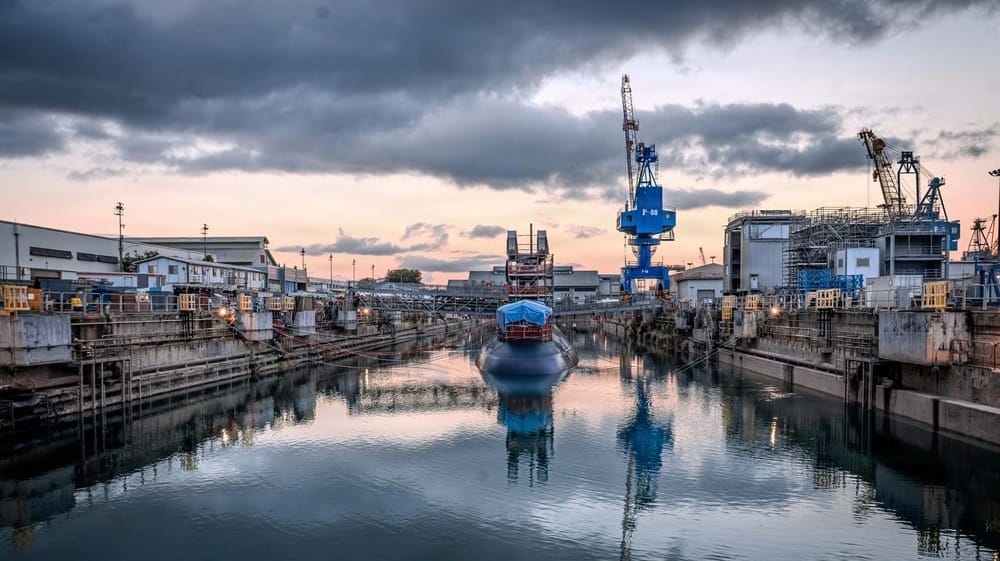
The U.S. Navy is facing a formidable task to rebuild its aging and overstretched shipyards, a mission that could cost a staggering $200 billion and take five decades to complete, according to the Government Accountability Office (GAO). In a report assessing the Navy’s plans to undertake its largest-ever construction and restoration effort to improve poor conditions and outdated infrastructure at its four shipyards, GAO is highlighting that the Navy could have greatly underestimated the task ahead.
In its Shipyard Infrastructure Optimization Program (SIOP), unveiled in 2018 and whose core objective was to address infrastructure deficiencies and modernize shipyards to meet the needs of a 21st-century Navy, the U.S. put the cost of the task at $21 billion and the period required at 20 years. SIOP was established with the aim of rebuilding the four naval shipyards, namely Norfolk, Pearl Harbor, Portsmouth, and Puget Sound. The yards provide essential maintenance and modernization projects for the fleet of aircraft carriers and nuclear-powered submarines to ensure they are battle-ready.
In coming up with the program, the Navy intended to address both the poor physical condition of the shipyards and capability gaps affecting ship maintenance operations. Part of the specific gaps included insufficient dry-dock capacity to support the new and larger classes of aircraft carriers and submarines. To tackle the gaps, the Navy’s plan included expanding and updating dry docks and piers, recapitalizing shipyard facilities and optimizing workflows, and modernizing capital equipment and technology. To carry out the task, the Navy had put the costs at $21 billion over a 20-year period.
GAO, however, is highlighting that the Navy could have greatly underestimated the task ahead, reckoning that rebuilding and modernizing the yards will take much longer and cost much more than originally anticipated due to multiple challenges and changes involved in the program. Environmental issues, for instance, have led to additional projects and more extensive work affecting project plans and costs. Realistically, a whopping $200 billion is required for the task that will be completed in 2080.
While the Navy unveiled SIOP in 2018, it only hoped to submit a proposed program plan and cost estimate for approval by September this year, which is eight years down the line. New realities now indicate the program will cost substantially more and will take multiple decades to complete. A case in point is Portsmouth Shipyard, whose modernization cost is estimated at $41.6 billion, the lowest of the three completed shipyard cost analyses.
GAO contends that the Navy is far from embarking on the actual modernizing of the yards because the planning activities and project development for each shipyard have been complex and have taken several years longer than originally anticipated in 2018. The new dry docks underway at Portsmouth and Pearl Harbor yards, and in the last phases of design for Puget Sound, have been cited as the largest planned SIOP projects to date. It is estimated that the projects, which also include demolition, relocation, and construction of various infrastructure, will cost about $21.7 billion.
The Portsmouth project paints a picture of the complexities of the task. The Navy is expanding the existing dry dock 1, which is simultaneously being used to overhaul Los Angeles-class submarines. Workers for both projects are forced to coordinate the movement of submarines through the construction to the dry dock for maintenance, as well as coordinate throughout the submarine’s maintenance period.

that matters most
Get the latest maritime news delivered to your inbox daily.
“Concurrent construction and shipyard operations create challenges to ensuring the shipyards can complete their ship maintenance requirements,” states the GAO.
Part of the recommendations in the GAO report that has been submitted to Congress is that the Navy be compelled to provide annual updates on SIOP progress, including total costs and duration.
