


Galveston Approves Lease for LNG Operation with Production and Bunkering
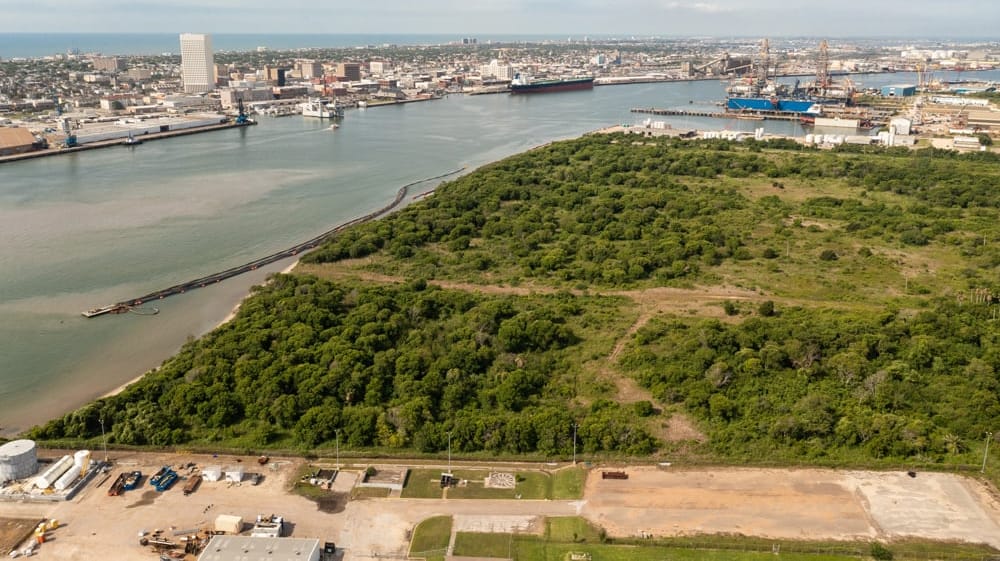
The Galveston Wharves Board of Trustees has approved a lease and development agreement with Power LNG, which paves the way for the first LNG bunkering facility on the Gulf Coast. Power LNG plans to develop a small-scale, modular liquefied natural gas production, storage, and fuel bunkering facility on Pelican Island, with port officials highlighting that the project will position Galveston to serve the growing demand for LNG as a marine fuel both in the port and the region.
The board approved the agreement that provides for a 30-acre greenfield development, which will be located on the east side of an approximately 82-acre, port-owned tract on the deep-water Galveston Harbor. It will be part of the port’s plan for the development of what it highlighted as one of Texas’ few underdeveloped large-scale deepwater port sites. The port owns 357 acres of prime waterfront acreage, including 100 acres on Galveston Harbor adjacent to the Gulf Cooper shipyard, which Davie Defense is developing into a shipbuilding facility for the Arctic icebreakers and other projects.
Power LNG plans to develop an LNG facility capable of producing approximately 400,000 gallons per day. The facility will use two parallel liquefaction trains, each capable of producing about 200,000 gallons per day, with the potential to expand production at this site to 800,000 gallons per day using modular liquefaction technology. Power LNG also proposes to build an underground natural gas pipeline to provide feedstock to the facility, a 3-million-gallon LNG storage tank, and a shore-to-ship pier to fuel both ships and bunker vessels.
Austin Terry, Power LNG CEO, highlighted that the company will develop a fully integrated LNG fueling solution, including liquefaction, storage, bunkering, vessel loading, and export capabilities.
The facility is projected to begin commercial production in the fourth quarter of 2028, following completion of required approvals and agreements. Galveston highlights that Power LNG’s strategic partners and customers are expected to coordinate LNG bunkering operations, which may provide LNG fuel to ships calling at the Port of Galveston and other locations in the Galveston, Houston, and Texas City ship channels.
“As more LNG-powered ships are built, demand for LNG marine fuel is reaching a tipping point,” said Rodger Rees, Galveston Wharves port director and CEO. “This facility will give Galveston an opportunity to support this growing market while further diversifying our port’s operations,” Rees said, predicting this development will pave the way for the Port of Galveston to play a leading role in providing cleaner marine fuels to the region.
The Port of Galveston highlighted at the beginning of 2024 that it was among the first U.S. ports to make LNG services available to ships. It looked at it as a strategic advantage in attracting cruise ships, such as those from Carnival Cruise Line, but also to serve the developing market for LNG used by containerships, tankers, and other vessels.

that matters most
Get the latest maritime news delivered to your inbox daily.
Galveston Wharves, which is a city entity whose mission is to oversee the port to generate revenues to benefit the Galveston community, has long had development plans for Pelican Island. In June, Rees highlighted the opportunities to support Davie Defense’s shipbuilding efforts at Gulf Cooper. The port proposed building a multi-use berth to support shipbuilding as well as Ro-Ro cargo and the LNG operation. It said Pelican Island would also play a key role in expanding the port’s cargo handling capacity.
As part of anticipated long-term development, the port and Power LNG plan to negotiate agreements for LNG and/or ISO tank container loading operations at a future port-owned dock adjacent to the leased property. They also anticipate potential future LNG-related activities at other port locations, including ISO container loading and export operations at portions of Pier 34 and truck-to-ship LNG fueling and other early bunkering activities at portions of Pier 39.
