

Effects of Gulf Disruption Expected to Ripple Through Global Shipping
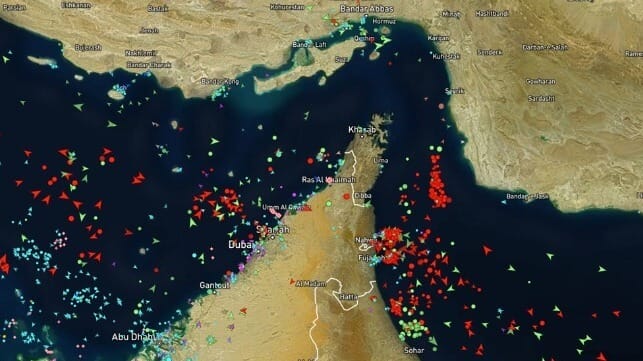
The shipping disruption from conflict in the Gulf region is only just getting started, according to new data from Clarksons and forecasts from multiple shipping analysts. Between suspended port calls, canceled freight bookings, bottled-up tonnage inside the Gulf, and long route diversions, the conflict will have substantial secondary effects on shipping interests around the world.
The most obvious factor is the shutdown of the Strait of Hormuz to all but the most risk-tolerant shipowners, with inside sources noting Greek tanker owner Dynacom as a notable player willing to brave the run. Traffic levels have fallen from a norm of 100 ships per day to just a handful (and at some hours, none at all). Facing an Iranian pledge to set passing ships "on fire," and lacking war risk insurance, Western owners are generally uninterested in making the passage through the narrow waterway. An American plan to provide an alternative war risk guarantee is under way, but for now, most vessels heading in or out are holding position pending further developments.
This has left no fewer than 3,200 vessels stranded inside the Gulf, according to Clarksons - about four percent of global tonnage, effectively subtracted from the global fleet until further notice. More than 100 of these vessels are boxships. Another 500 vessels are waiting on the east side of the strait pending an opportunity to get in - including empty tankers, vitally needed so that Gulf states can keep production flowing.
For the liner industry, the Gulf isn't a big market, but the conflict is likely to have secondary effects - inconvenient for shippers, but likely revenue-positive for ocean carriers. The additional rerouting of boxships around the Cape of Good Hope should drive up freight rates by absorbing tonne-mile capacity, just as it did during the Red Sea crisis. And the suspension of cargo movements to the Gulf is likely to create some amount of congestion in overseas container ports, as boxes bound for the Mideast get held back or shuffled to alternative destinations - the next-best choices for overland delivery, like Jeddah or King Abdullah Port. That friction in transit tends to absorb container vessel capacity, and has historically supported per-TEU spot rates.

that matters most
Get the latest maritime news delivered to your inbox daily.
In addition, when the conflict ends and shipping resumes in full, clusters of waiting vessels will depart at the same time and bunch up at destination ports in the Gulf, producing further congestion.
"It’ll inevitably have an impact on freight rates; it’ll inevitably have an impact on fuel costs; inevitably have an impact on equipment imbalance as well," ONE CEO Jeremy Nixon told an audience at an S&P shipping event in Long Beach (as heard by The Loadstar).