


Coast Guard, Marine Corps Rack Up Drug-Smuggling Busts in Eastern Pacific
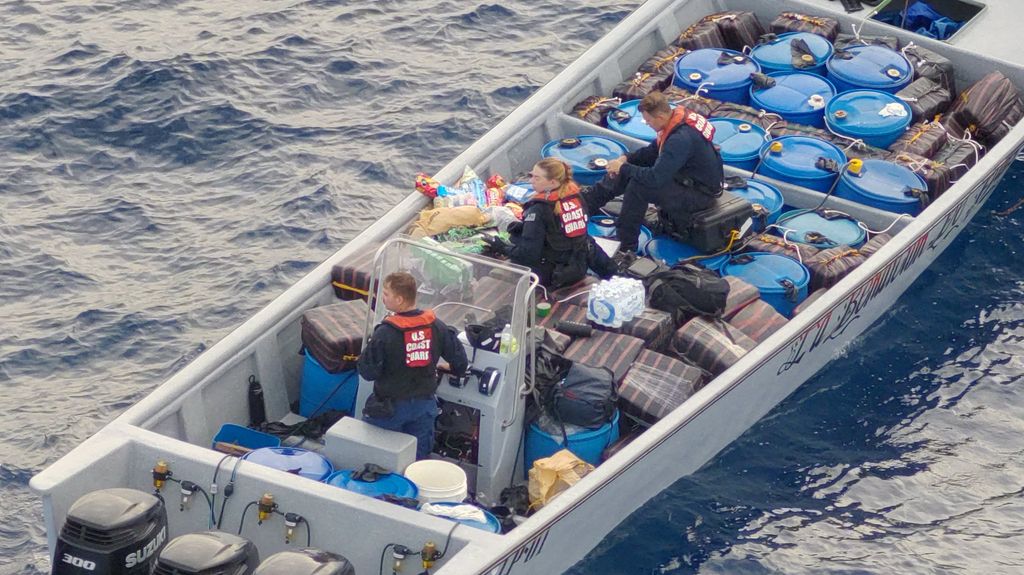
The U.S. Coast Guard continues to patrol the Eastern Pacific for cocaine smugglers, and it is finding them. In a six-day period, cutter USCGC Tampa intercepted four drug boats carrying a combined load of more than 25,000 pounds of cocaine, plus smuggling suspects.
The first suspect boat was carrying 6,800 pounds; four days later, Tampa caught two boats with a combined 15,000 pounds; and the next day, a fourth boat with another 3,400 pounds.
One example was a three-outboard go-fast with a vast supply of extra fuel, stored informally in containers on deck.
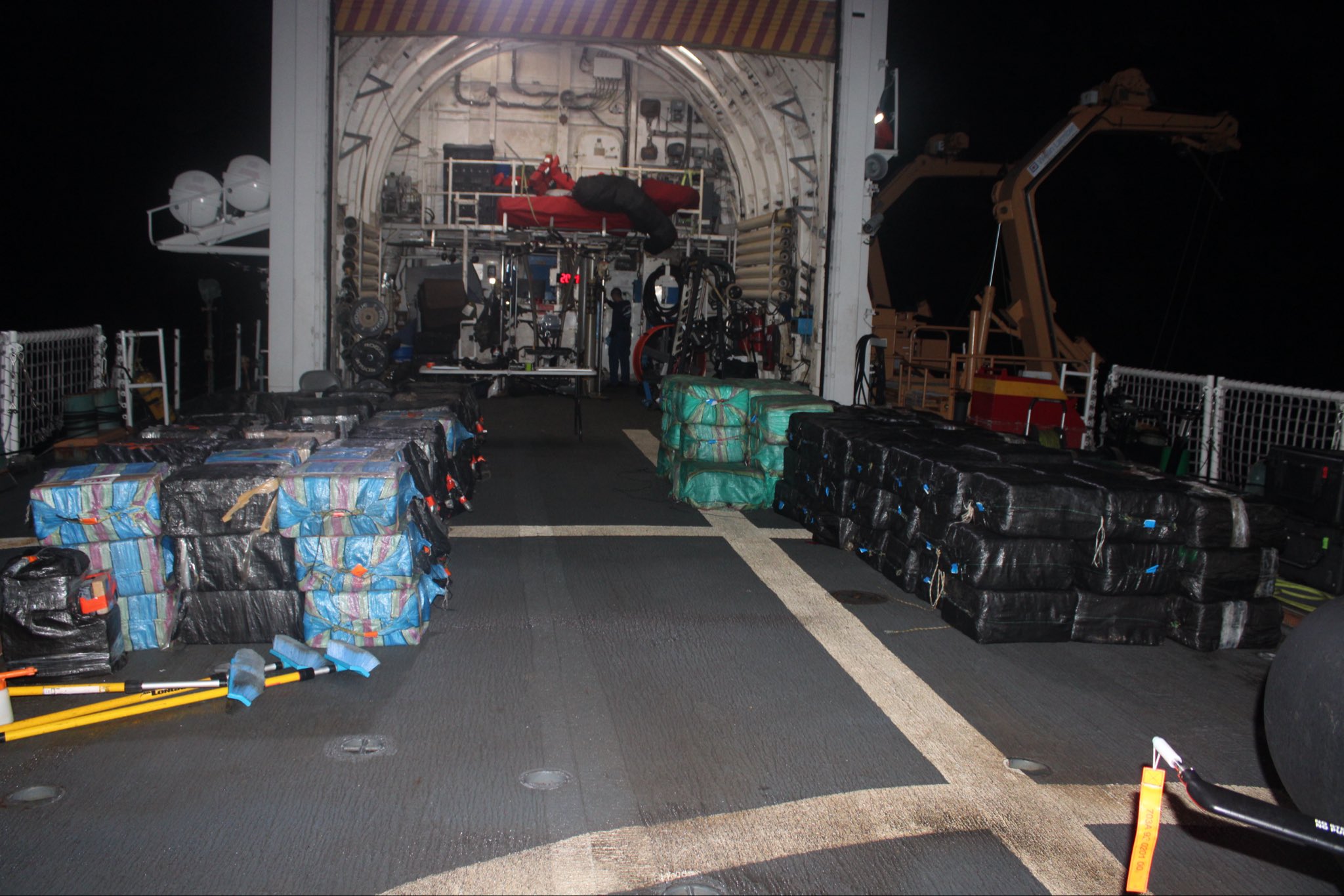
Cocaine from the busts on Tampa's deck (USCG)
The busts brought the total for the service's "Pacific Viper" interdiction program to 260,000 pounds - a strong showing for the Coast Guard, despite competition from the Air Force / Special Operations-led lethal strike campaign, which targets the same set of illicit activity.
Separately, the U.S. Navy and U.S. Marine Corps - under the command of U.S. Southern Command - have been intercepting drugrunning gangs' at-sea fueling stations off the coast of Ecuador. These are larger local fishing vessels that have been fitted out to carry gasoline for the go-fast smuggling boats that operate along the South America-to-Central America route. Supported by helicopter gunships and at least one amphib, Marine Corps boarding teams have been intercepting these boats, evacuating their crews and then destroying the drifting hulls - often with chaingun (minigun) fire, a target-practice opportunity.
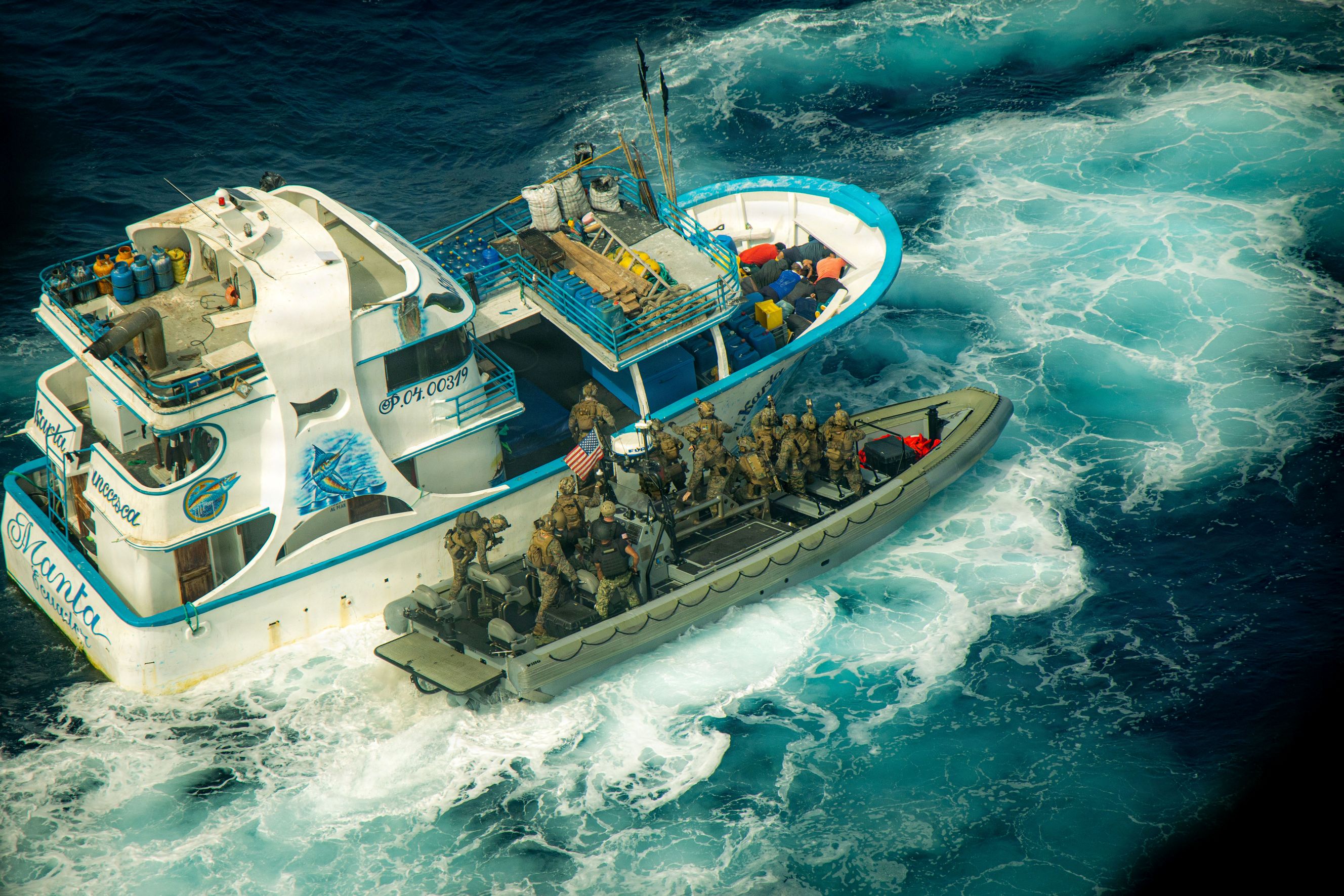
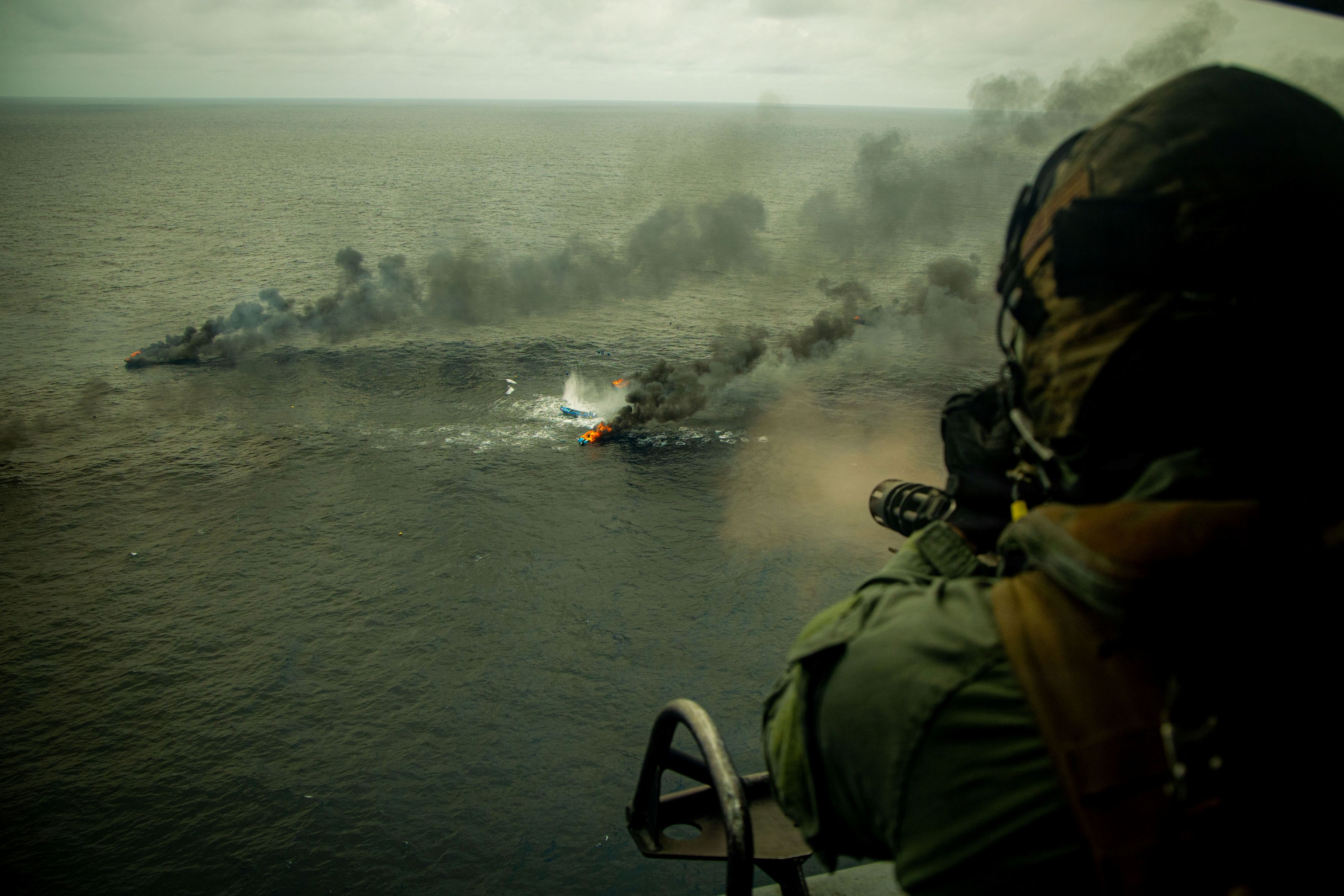
Courtesy USMC

that matters most
Get the latest maritime news delivered to your inbox daily.
Southcom also continues its parallel program of lethal strikes, notably in the Caribbean, where it recently recorded its 70th publicly-acknowledged attack on a suspected smuggling vessel. The latest strike killed three people, the command reported.
