


Chinese Ports Had Busiest Week Ever for Containers, Says Bloomberg
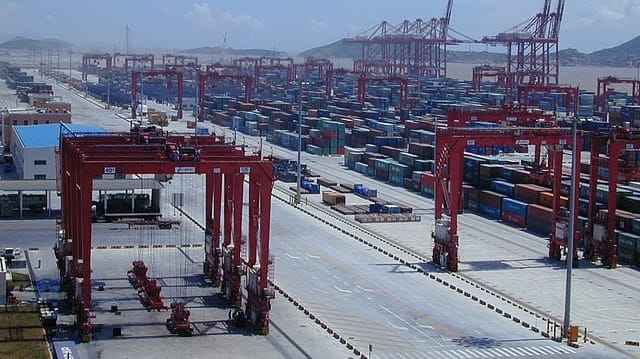
Export levels from China, especially to the United States, have been defying all the predictions, and now comes news of a further boom. Citing data from China’s Ministry of Transport, Bloomberg reports that Chinese ports had their busiest week in history.
The data shows a record 7.3 million containers passed through Chinese terminals in the seven days through September 20, reports Bloomberg. It says this represents a nine percent increase in volume versus the same period of 2025. The gains were accelerating from the six percent increases in each of the first two weeks of September, with Bloomberg saying it is “evidence of another month of rapid gains in exports and imports.” Citing a report from Goldman Sachs, Bloomberg reports that the volume of cargo leaving China's 20 major ports continues above 2025 levels.
The data aligns with the observations from the U.S.’s major ports, which also cite strong increases in import volumes. The Port of Los Angeles, for example, reported it handled 955,907 TEU in August, six percent above its five-year average and capping the busiest three consecutive months in port history. Between June and August, the Port of Los Angeles handled more than 2.9 million TEUs. Similarly, the neighboring Port of Long Beach highlighted its busiest August on record and the fifth-strongest month in the port’s 115-year history as it moved 919,992 TEUs.
Bloomberg speculates that it is “extending a boom in shipments abroad in a possible sign exporters were rushing goods out of the country as uncertainty hovered over tariffs.” Bloomberg News had previously reported that the Trump administration intended to release a report on alleged excess trade capacity that would recommend a 7.5 percent tariff on Chinese goods.
China’s largest ports have been reporting increased congestion and backlogs, in part due to the impact of two typhoons that caused Shanghai and other ports to suspend operations. Linerlytica's port congestion tables show Shanghai/Ningbo had more than 1.2 million TEU at anchor as of September 19, with Qingdao also among the Top 5 congested ports, with others including Shenzhen lower on the list.
In addition, trying to beat possible new tariffs and restrictions, shippers also appear to be rushing shipments ahead of China’s pending Mid?Autumn Festival (September 25?27), closely followed by Golden Week (October 1?7). Carriers have been announcing blank sailings from their schedules due to the pending holidays.
The future direction of the tariffs and restrictions on trade are likely to emerge after the summit between Chinese President Xi Jinping and Donald Trump. Xi arrived in Washington, D.C. on September 23, and Trump has said they had a good first meeting as part of the state visit running until September 25.

that matters most
Get the latest maritime news delivered to your inbox daily.
U.S. Treasury Secretary Scott Bessent announced Thursday that the United States and China agreed to extend their current standstill on tariffs and trade that was due to expire on November 10. He said it was extended for two months as they work on a potential “bigger deal.”
The retail trade association, NRF, at the beginning of September said that peak season imports were continuing. It forecasted that September could be the busiest month of 2026, but it predicted that retail import volumes would fall back to levels similar to 2025 during the fourth quarter. After expecting a year of soft volumes, the NRF is now projecting a one percent gain in U.S. import volumes for the full year 2026.
