


Cash Buyer Wants to Purchase Seized Shadow Fleet Tankers for Scrapping
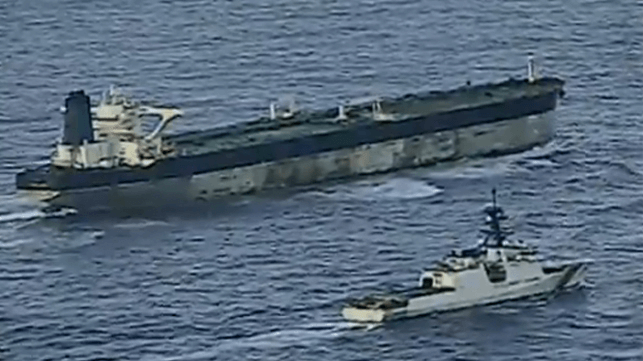
GMS, the world's largest cash buyer, has confirmed to Reuters that it is in talks with U.S. authorities to purchase seized, sanctioned tanker tonnage for demolition. The volume of vessels covered by this category is small so far, but could grow if the White House determines that more tanker interdictions are necessary. If the demolition sales were authorized, it would provide the Trump administration with an efficient means of offloading captured tonnage in far-flung locations.
Since December, U.S. Coast Guard boarding teams have captured seven tankers linked to Venezuela's oil trade. According to TankerTrackers.com, two of the seized vessels have arrived off the coast of Texas, both in laden condition. Two are off the coast of Puerto Rico; one more is anchored off Scotland, and is in the middle of a crew change; and two have returned to Venezuela - including one that is back to engaging in AIS manipulation, a characteristic of the shadow fleet.
The potential for further U.S. tanker seizures exists: there are multiple shadow fleet tankers still in Venezuelan waters, and acting Venezuelan president Delcy Rodriguez has signaled that she wants to resist "orders from Washington." The Trump administration has signaled that it wants to manage all of Venezuela's oil exports for the immediate term, and has threatened consequences for Rodriguez if she does not comply with directives. After the forcible removal of longtime dictator Nicolas Maduro, diplomatic relations between Washington and Caracas have yet to fully crystallize, and the Venezuelan government itself has internal divisions. The CIA is expected to lead American engagement in the country in the immediate term, according to CNN. In an evolving security environment, the prospect of further tanker interdictions could hinge on Venezuelan cooperation with the White House's plans for the country's oil exports: the tonnage is there, and the capability as well.
The shadow fleet is a global phenomenon, and well over 1,000 tankers serve the blacklisted Russian, Iranian and Venezuelan markets. More than 900 of these tankers are sanctioned by the EU, UK or U.S.; while the Trump administration has not threatened vessel seizures outside of the Venezuelan trade lanes, there is considerable overlap between markets and individual vessels. In addition to U.S. action, discussions in Western Europe are under way for possible seizures in the North Sea and Baltic, and France recently conducted a boarding and seizure of a Russia-linked tanker in the Mediterranean.
Broader sanctions license
GMS has previously sought a U.S. Treasury license to buy sanctioned ships directly from sanctioned shipowners, without U.S. government seizure as an intermediate step. The argument in favor of this proposal, GMS told the Wall Street Journal, is that it would clear out aging and dangerous tonnage from the shadow fleet. Such a market-based sale process would reduce the number of old tankers in the shadow fleet, and GMS suggests that it would reduce the fleet's overall size. Each demolition sale transaction is typically valued in the seven figures or higher.

that matters most
Get the latest maritime news delivered to your inbox daily.
A general sale and purchase license from OFAC would not penalize shipowners for past sanctions violations - nor would it prevent them from resuming sanctioned activity with newer ships after concluding the demolition sale, unless more restrictions were built in.
“In order to be considered there would need to be some other incentive on top of just getting the vessel off the water,” former OFAC compliance chief Claire O’Neill McCleskey told the WSJ.
