


Cargo Ships Are Becoming Stuck in the Baltic with Worst Ice in 15 Years
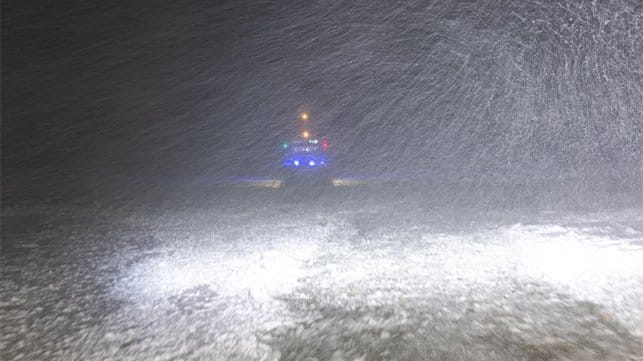
All along the Baltic, reports are emerging of ships becoming stuck and needing extra assistance from icebreakers as the region is experiencing the harshest winter conditions since the season of 2010-2011. Finnish authorities are denying media reports that they were forced to call in Russian icebreakers but confirmed the Russians are assisting in the Gulf of Finland and that all the countries' icebreakers are working full-time this winter.
There have been reports first of strong coastal ice, such as in Germany, where LNG deliveries were being delayed until icebreakers could open a channel. Similar situations have been reported in other parts of the Baltic and the Gulf of Finland at the ports of Russia, Estonia, and Finland.
The Finnish Transport Infrastructure Agency admitted in a statement on February 26 that several cargo ships have become stuck in the ice both in international areas and Finnish territorial waters. It had previously said that a large ice field formed in the Gulf of Finland, as there were extreme cold temperatures and limited winds. When the winds blow, they cause the ice to pile up.
According to various reports from the region, the ice cover has reached 181,000 square kilometers (approximately 7,000 square miles), higher than the 30-year average and the largest amount in the past 15 years. In a typical winter, it is about 141,000 square kilometers (5,500 square miles). The Finnish authorities highlight that the worst conditions are typically at the beginning of March, and they expect the current conditions to continue to build. Reports said the maximum extent of ice was in 2011, when it reached 309,000 square kilometers (nearly 12,000 square miles), nearly the full size of the Gulf of Finland. In 2011, the ice at times reached a thickness of 70 centimeters (2.3 feet).
The Gulf of Finland is now completely frozen in the Finnish zone, with reports of similar conditions in many of the smaller bays along the Finnish coast. The authorities report that the ice flows and winds have forced ships to steer closer to Finland this winter.

(Rosatom video on Telegram showing conditions and ships in the ice as of February 24)
Rosatom said recently that the Gulf of Finland was more than 80 percent frozen, with much of the ice between 30 and 40 centimeters (1 or 1.3 feet). It responded by activating seven icebreakers, including the nuclear-powered Sibir. The primary task for the Russian vessels has been to assist tankers to and from Primorsk.
In mid-February, it was reported that vessels without ice protection required individual escorts to reach the St. Petersburg ports, but as of February 19, they were no longer being permitted as the ice began reaching 30 centimeters. Ice Class 1 and 2 vessels, operating with a thickness of .4 to .55 meters, were also being required to have icebreakers. Reports from Russia said that due to a shortage of icebreakers, ships were being delayed, and restrictions had also been introduced at the Ust-Luga port. Director General of Rosatom, Alexey Likhachev, said they were working to prevent a critical situation and reported the nuclear icebreaker had already been used to escort six 100,000-ton or larger oil tankers.
The Russians said the Sibir, which has 60-megawatt twin reactors, has enough power to carve a 33-meter-wide (nearly 110-foot) channel. They said it opens a wider channel than the conventional diesel-electric icebreakers.

that matters most
Get the latest maritime news delivered to your inbox daily.
Finnish authorities report that all 10 of the country's icebreakers are deployed. It said the Russian icebreakers are assisting Russian vessels in the Gulf of Finland, but on a case-by-case basis, it can also request assistance from the Russians in Finnish waters.
After peaking early in March, the conditions begin to subside. More normal navigation is expected to resume by the end of March.
