

Aging Freighter Banned From European Ports for Skipping Yard Date
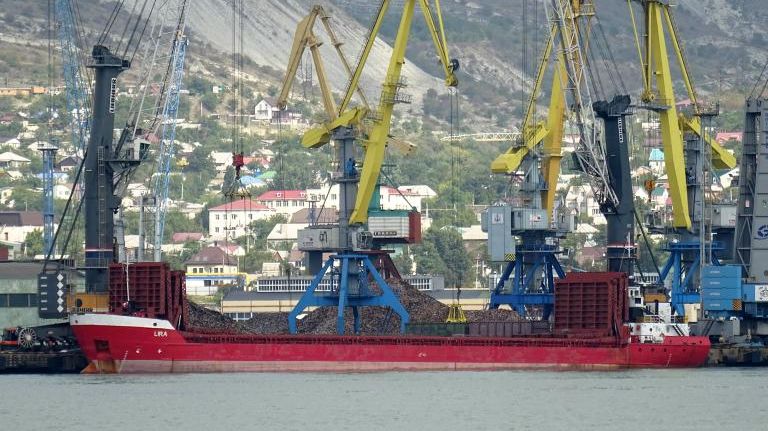
A 42-year-old general cargo ship characterized as high-risk has been banned from European ports for failing to call at a repair yard as agreed.
The Paris MoU, a regional system of 28 maritime authorities that aims to eliminate substandard shipping in European waters and the North Atlantic region, said that the MV Lira (IMO 8516744) will not be allowed into any port in the bloc after failing to call at a repair yard in Greece.
The 1985-built ship had been detained at the Port of Olbia, Italy, but left on October 3. While one of the conditions for the ship's release from Olbia was that she head straight to a yard in Piraeus, the ship refused to honor the agreement to proceed for repairs.
The Paris MoU said that it had received a communication from the coordinator of the Piraeus Port State Control office on October 15 indicating that the vessel had not arrived at the port and had also failed to give any updates regarding its arrival.
Although the Paris MoU did not reveal the deficiencies that led to the vessel's detention in Italy, the fact that the vessel is sailing under the flag of Tanzania means she is considered very high-risk under the Paris MoU's inspection priority scheme. The 89-meter vessel was sailing under the Panamanian flag before changing to the flag of Tanzania.
Rather than inspecting at random, the Paris MoU uses risk-based targeting in which every ship is assigned a risk profile of high, standard or low, based on its type, age, flag performance, track record, and the operating company's deficiency and detention history. While high-risk ships are often inspected every five to six months, low-risk ships go years between inspections. Annually, the Paris MoU oversees the inspection of more than 17,000 foreign ships.

that matters most
Get the latest maritime news delivered to your inbox daily.
The Paris MoU's detention rate for ships that do not meet the set standards has long averaged four percent. For ships with a history of repeated detentions, the MoU can escalate to refusal of access and even a ban that can become permanent for repeat offenders. Last year, a total of 688 vessels were detained across European ports, while 19 ships were banned.
Top image courtesy VesselFinder.