


Rising Tensions in Yemen Threaten Red Sea Transits
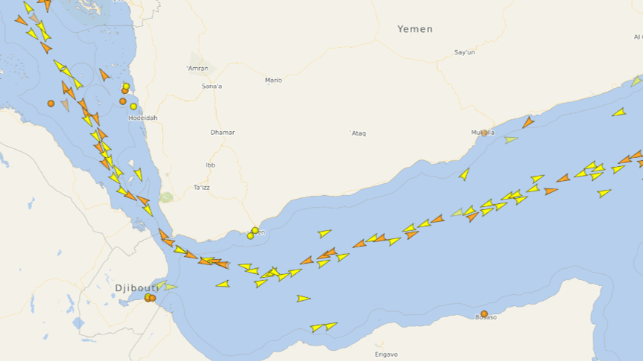
There have been a number of worrying indicators recently that tensions between the Houthis in the north and the Internationally Recognized Government (IRG) of Yemen, based in Aden, are rising.
To the great relief of the maritime community, traffic though the Red Sea, Bab el Mandeb and the Gulf of Aden was not disrupted in the bout of fighting which ended with the opening of talks between Iran and the United States in Switzerland. Paydari and IRGC hardliners in Iran attempted without success to persuade the Houthis to resume their attacks on shipping. Prior to the recent partial re-opening of the Strait of Hormuz, this would have had devastating impact; Saudi Arabia was shipping out its oil exports through the Red Sea, and much of the imports of basic essentials required by the Gulf countries were being trucked in after being landed at Jeddah. But apart from a few missiles and drones fired at Israel, which caused no damage and which were diplomatically ignored by Israel, the ceasefire came into effect without the threats made by AbdulMalik Al Houthi and the leader’s ebullient spokesman Brigadier Yahya Al Sare’e being realized. Naval vessels assembling for the Strait of Hormuz monitoring mission were able, in consequence, to pass through the Bab el Mandeb without disruption.
The general consensus is the Houthi leadership has not wanted to jeopardize progress being made in negotiations with Saudi Arabia, which promise to release substantial financial subsidies that would rescue northern Yemen from its current dire economic situation. A rash of economic protests have broken out in Houthi-controlled areas protesting against hunger and deprivation, emphasizing the need for urgent action to suppress what otherwise could become a threat to the Houthi’s grip on power.
Progress in these talks has evidently not been sufficient for the Houthis, who have now embarked upon an unpopular general mobilization to boost the size of their forces – and to pressure the Saudis with the threat of a resumption of hostilities.
At the same time, the Vice President of the IRG, General Tariq Saleh, has broadcast that he thinks a military clash with the Houthis is inevitable, preparations need to be made, and that compromise with the Houthis (who killed his uncle and tried hard to kill him) is impossible. Also a worry for the Houthis, the IRG has been consolidating its grip on the area it controls in Yemen, now that the UAE-backed Southern Transition Council has been defused as a separatist force. With some inevitable resistance, semi-autonomous militias have been brought under central administration, unifying command and control and improving military effectiveness, and all aided by reinvigorated support from the Saudis.

that matters most
Get the latest maritime news delivered to your inbox daily.
These developments have not threatened an immediate renewal of attacks on shipping in the Red Sea and Gulf of Aden. But on June 25, the risk of this happening increased. Both AbdulMalik Al Houthi, the Houthi leader, and a leading Houthi spokesman made speeches threatening imminent military action if Saudi Arabia did not concede more in ongoing talks, particularly with regard to what the Houthis say are unpaid salaries worth $13bn, in effect the salary roll of the Houthi rebel movement for the last decade. AbdulMalik Al Houthi also expressed his worries about what he identified as an Israeli presence in Somaliland, increasing the risk that the Houthis might attack targets there across the Gulf of Aden, over the heads of shipping using the Maritime Security Transit Corridor. These threats are evidently a response to growing criticism in Houthi areas of the domestic economic impact of their belligerent external policies.
With a very tenuous peace returning to the Gulf area, a resumption of disruption in the Gulf of Aden would create new challenges for the maritime industry - and commercial opportunities for specific sectors, notably container shipping.
