
Report: Saudi Aramco Achieves Partial Restart on Strategic Red Sea Pipeline
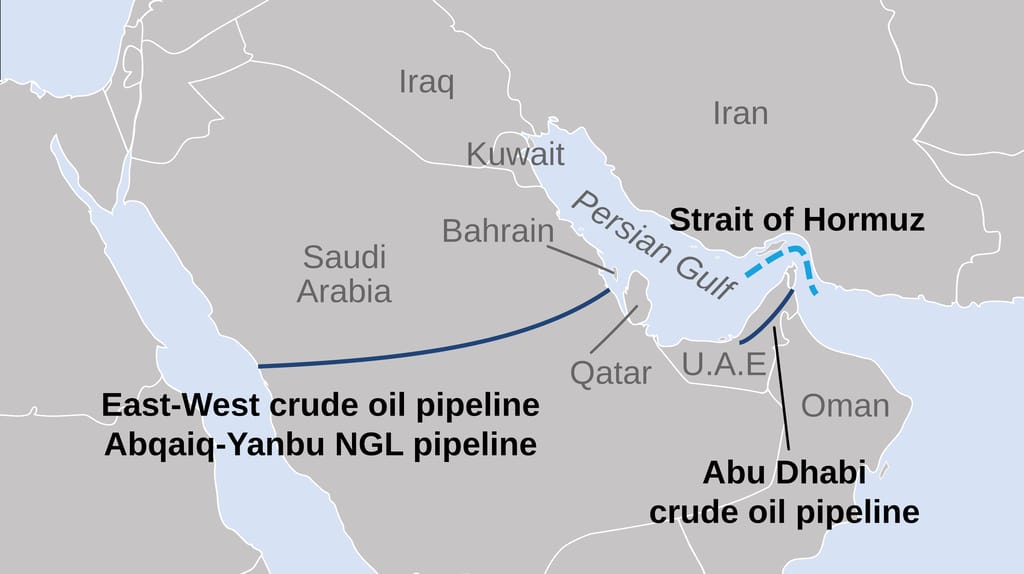
Saudi Aramco has achieved the technical means for a partial restart on its strategic East-West Pipeline, which was significantly damaged in a drone attack on September 11, according to multiple outlets. The pipeline is now operating at reduced capacity or will be soon, industry sources confirmed to Reuters, Bloomberg and the FT.
The interim objective is to achieve a pipeline transfer rate of about four million barrels per day - enough to supply Saudi Arabia's own refineries along the Red Sea, plus a small amount more. One crude export loading has already been scheduled at the key export hub at Yanbu, Reuters reports.
New from @hntrbrkmedia: Saudi Arabia appears to be working to assemble a shunt on the critical East-West oil pipeline, bypassing a pumping station damaged in last week's attack.
— Hunterbrook (@hntrbrkmedia) September 17, 2026
Imagery from Vantor shows workers already laying and welding a pair of new pipelines. pic.twitter.com/HLVG3Zgaxy

that matters most
Get the latest maritime news delivered to your inbox daily.
Fully regaining the pipeline's nameplate capacity of seven million barrels per day could take as long as six weeks because three damaged pumping stations will have to be restored. The remaining eight stations are enough to move crude at a reduced rate with reconnected temporary line sections.
For now, the resumption of flow on the line has been enough to bring global benchmark oil prices down - in combination with increasing loading volumes at Ras Tanura, the appearance of a weakening Iranian blockade at the Strait of Hormuz, and the possibility of new diplomatic talks to resolve the Iran conflict. After spiking to $108 per barrel last week, the Brent crude benchmark receded to just $98 on Tuesday, reflecting trader expectations of a better-supplied global energy market.
