

Report: Coast Guard Investigates Possible "Magic Pipe" Case on MSC Poesia
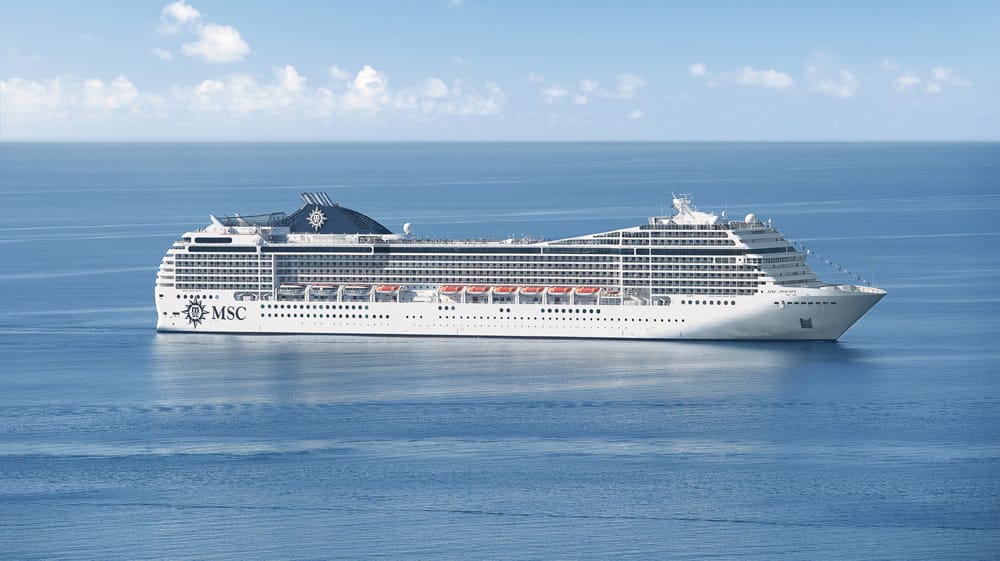
The U.S. Coast Guard has launched a criminal investigation into a possible case of "magic pipe" waste discharge aboard the cruise ship MSC Poesia, which was detained for a "regulatory matter" recently at PortMiami, a U.S. official has confirmed to CBS.
No charges have yet been filed, nor any targets named. The Coast Guard has not made an official statement about the nature of the investigation; after the boarding and inspection, it said only that it had "identified deficiencies with systems on board the vessel" that it was addressing with the operator.
The "magic pipe" method refers to the use of an informal plumbing arrangement to discharge oily waste over the side, a practice internationally banned under MARPOL. An officer's decision to use a magic pipe arrangement saves the vessel operator money by eliminating disposal costs. Shoreside disposal of oily water can be very expensive, but untreated discharge at sea - bypassing the ship's oily water separator - carries no immediate cost to the company.
Untreated discharges are rarely punished as a criminal offense abroad. Recurring arrests in U.S. ports - where intentional oil dumping at sea is handled as a federal crime - suggest that the practice occurs with some regularity in foreign-flagged trade.

that matters most
Get the latest maritime news delivered to your inbox daily.
In the largest such case on record, Carnival Corporation's Princess Cruises pleaded guilty to seven felony charges and paid a fine of $40 million for a pattern of magic pipe discharges and oil record book falsification aboard at least five ships. Carnival had to undergo a court supervision process lasting years after the plea.
A magic pipe violation is often uncovered when a crewmember tips off the U.S. Coast Guard. A timely tip line call or a note passed to an inspection official can earn the seafarer up to half of any recovered fine - a life-changing opportunity for some crewmembers, potentially reaching millions of dollars for the worst offenses. A tip-off will lead to a Coast Guard inspection of the engine room and piping, plus a detailed examination of the vessel's oil record book and a round of interviews with the crew.