
Op-Ed: "Alternative" GHG Proposals Would Derail IMO's Climate Progress
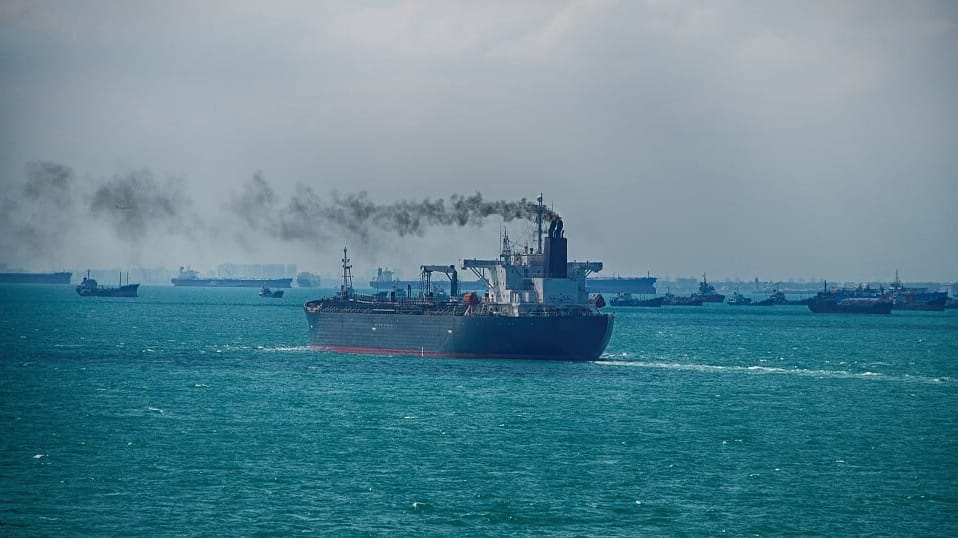
The shipping sector makes up 2-3% of global greenhouse gas emissions - about the same as the world’s fifth biggest emitting country, Japan. With accelerated climate warming already driving devastating impacts around the world, such as record heatwaves, flooding, wildfires and droughts, there is no doubt that the industry must rapidly lower its greenhouse gas emissions. For the shipping sector, the question is no longer whether it needs to decarbonize, but how best to meet the goals of the International Maritime Organization’s (IMO) GHG (greenhouse gas) Strategy and to reach net zero by 2050.
Four proposals of concrete measures to lower shipping’s climate impact have been circulated among IMO member states for potential adoption at MEPC 85 in December. Among them is the IMO’s long-negotiated compromise agreement, the Net-Zero Framework (NZF).
Receiving broad political support from IMO member states, the NZF remains the best tool available to meet the IMO’s GHG Strategy goals on climate, energy transition and a just and equitable transition towards decarbonisation of the shipping industry. The result of multiple rounds of negotiations, the NZF is already an acceptable compromise. Any further weakening would lead to a less effective, slower, and costlier transition.
The NZF includes a “global fuel standard” (GFS), which requires ship operators to gradually decrease the amount of greenhouse gas emitted by shipping fuels - or pay penalties. The framework also introduces a mechanism that puts a price on the greenhouse gases ships emit, giving the industry a clear financial incentive to reduce emissions in line with the global fuel standard.
Back in May, my colleague John Maggs wrote that the “IMO’s Net-Zero Framework is back on track”, but that supporters must remain “vigilant and strong in order to parry inevitable future attacks and attempts to further delay the process of adoption, which is scheduled for early December”.
With the next round of negotiations, the IMO’s Intersessional Working Group on Reduction of GHG Emissions from Ships (ISWG-GHG 22), coming up next week, those threats have materialized in the form of “alternative” proposals from a number of IMO member states. Having analyzed the available proposals, the Clean Shipping Coalition has found two of them unfit for decarbonization: those submitted by Liberia and Japan.
Liberia
Instead of setting reduction targets on a path to net zero, the submission from Liberia - the world’s largest flag state - would allow ships to stick to conventional fuels if they think cleaner alternatives are too costly or unavailable.
Additionally, Liberia’s proposal puts greater emphasis on trading of surplus units, while removing the idea of mandatory payments into a Net-Zero Fund. Without reduction targets or financial incentives, this would not cause a shift in the shipping sector beyond business-as-usual, while the lack of available funds would make it impossible to address disproportionately negative impacts on states.
Liberia’s proposal constitutes a fundamental redesign which will fail to deliver on the goals set out in the 2023 IMO Greenhouse Gas Strategy.
Japan
Japan has submitted an additional proposal to MEPC 85 which contains not only substantial shortcomings but also carries procedural risks. As Japan's proposal wasn't circulated six months ahead of the meeting (as is the normal requirement), it cannot be adopted under normal rules at MEPC 85. Waiting for adoption until 2027 risks causing further delay to IMO climate action.
The IMO already delayed its planned timetable of establishing a climate framework for global shipping in 2025, by adjourning MEPC ES.2 for a year. This delay has wasted time as the planet warms, emissions of greenhouse gases from global shipping continue unhindered, and delayed investments will lead to a hastier and in turn costlier transition. Diverting attention from circulated proposals risks throwing the IMO further off-course, and would provoke a loss of trust in the organization's capacity to police international shipping and deliver on its own goals.
As an alternative to compliance payments flowing into a centralized fund, Japan proposes to allow shipowners to direct payments to projects of their own choice. Without safeguards and oversight from a governing board, this system risks creating a scheme where money is invested into wasteful projects. This system would divert necessary investments from zero or near-zero (ZNZ) technologies and fuels, which require support and incentives early in the transition, and instead support incremental dead-end ‘solutions’ involving fossil fuels like LNG, or biofuels, causing technological lock-in and sunk costs.
Furthermore, a central fund administered by the IMO or another independent body and sufficient contributions to it are key to enable a just and equitable transition. In order to leave no one behind, states facing disproportionately negative impacts like small island developing states and least developed countries need financial support - which they made abundantly clear at previous negotiations.

that matters most
Get the latest maritime news delivered to your inbox daily.
Getting to the Net-Zero Framework is the result of multiple years of negotiations. The result is based on a Comprehensive Impact Assessment, and has the ability to deliver on the goals of the IMO GHG Strategy 2023. Now is the moment for the IMO and all its member states to have the courage to protect and adopt the Net-Zero Framework "as is."
Lukas Leppert is President of the Clean Shipping Coalition.
