
Maersk is Proceeding with Ethanol Tests After First Successful Trial
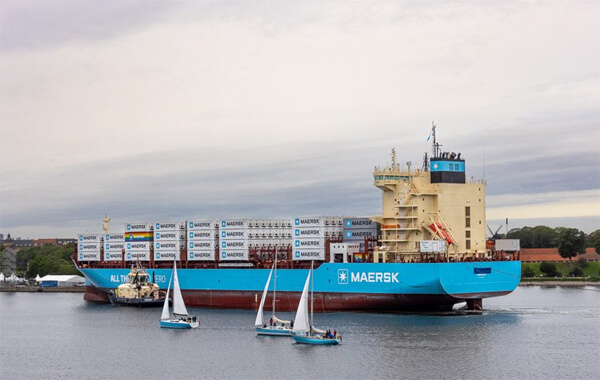
Maersk reports it completed a first, successful trial of blending ethanol into methanol to create an alternative fuel for its vessels. It plans to proceed with increased levels of ethanol and 100 percent ethanol tests as it explores steps to enlarge the availability and sourcing pool for alternative fuels for its dual-fuel vessels.
One of the challenges Maersk and other shipowners have pointed to is the availability of methanol and other alternative fuels and the ability of suppliers to expand production to meet the potential needs of the shipping industry. Maersk looks to run trials that could develop alternatives that can continue to supply the company as it moves forward with its decarbonization efforts.
The mixing of ethanol and methanol is possible because they are both alcohols, and there is a longstanding history dating back to the 1970s when ethanol was first used to extend gasoline supplies. Many countries use a 10 percent ethanol mix for cars, while the United States and Brazil supply approximately 80 percent of the ethanol.
Maersk launched its dual-fuel feeder vessel Laura Maersk (32,600 dwt) in 2023 for operations in the Baltic region. It has provided a test bed for methanol, which the company points out has been used for three years with no issues.
The first trial with E10, a 10 percent ethanol–90 percent methanol blend, began in October and supplied the Laura Maersk with fuel for a month to a month and a half. They report that performance was not compromised and confirmed that ethanol can be safely and effectively integrated into the fuel mix. Among the issues they were monitoring were ignition quality, the way the fuel was burning, corrosion, and the impact on emissions. They monitored for changes in NOx emissions.

that matters most
Get the latest maritime news delivered to your inbox daily.
Based on the confirmation in the first test, Maersk now plans to test E50, a 50-50 blend of ethanol and methanol. In addition, beyond the E50 trials, the company plans to conduct a trial using 100 percent ethanol.
Maersk currently has 19 dual-fuel vessels operating and more scheduled for delivery. It will also begin in 2027 using time-chartered dual-fuel LNG vessels. The company highlights that it is expanding its low-emission fuel options, including bio- and e-methanol, biodiesel, and with the LNG vessels liquified biomethane.