

Iran Blacklists Ships Threatening Detention, Confiscation, and Fines
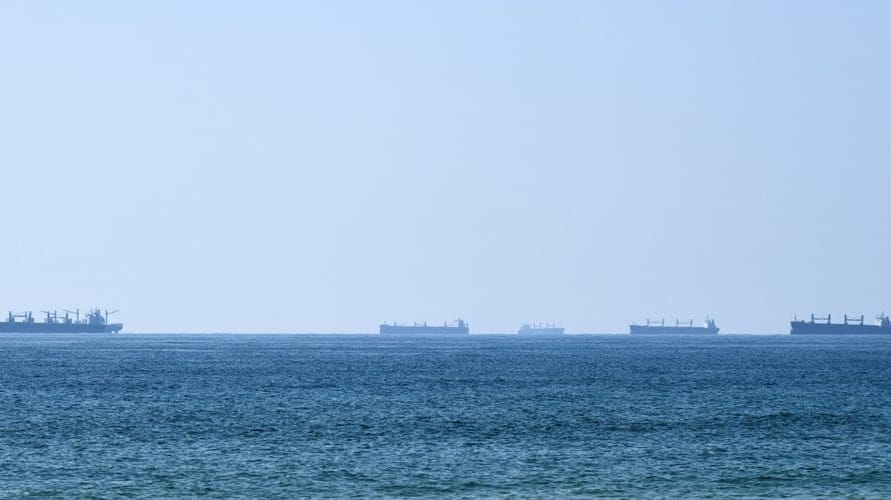
Iran’s so-called Persian Gulf Strait Authority released on Sunday the country’s first list of non-compliant vessels, warning shipowners and threatening fines, seizure, or confiscation. It came in response to U.S. threats of the so-called “economic D-Day,” and as Iranian sources increased the flow of propaganda and claims mostly targeting the Strait of Hormuz.
The authority that Iran asserts controls transits through the Strait of Hormuz cited “violations by certain vessels of the Iranian arrangements for transiting the Strait of Hormuz.” The list of 45 blacklisted vessels includes the operations of key Gulf states. It lists vessels from the Abu Dhabi National Oil Company (ADNOC), AD Ports Group, Saudi Arabia’s Bahri, and Qatar’s Nakilat. It also extends to major international owners including South Korea’s Sinokor and others.
In addition to saying that the listed vessels “shall face restrictions on future passages, including fines, detention, or confiscation,” the threat is also extended to companies and ships working with the blacklisted vessels. Iran is attempting to target the shuttle operations that emerged in the Gulf and the ship-to-ship transfers outside the Gulf that have been growing as a way to conduct deliveries when risk-averse tanker operators are choosing to avoid the Strait of Hormuz and the Persian Gulf.
The Persian Gulf Strait Authority warns all shipping companies that prior to chartering, they “must review” the non-compliant vessels list “in order to avoid potential issues.”
The new warning came as Iran stepped up its assertions in the media in response to the United States’ plans for deeper economic sanctions. Donald Trump and Treasury Secretary Scott Bessent said the U.S. would unveil deep sanctions to “sever every economic lifeline,” until Iran relented. They also threatened to extend the actions to all countries that supported Iran economically.
Iran called the threats "economic terrorism," while Mohsen Rezaei, Iran’s top security official, wrote, “if the economic war continues, not a single drop of oil will be exported, neither through the Strait of Hormuz nor from anywhere in the Persian Gulf.”
At the same time, a spokesperson for the IRGC called U.S. assertions that between 7 million and 15 million barrels of oil are passing through the Strait of Hormuz each day “baseless, unrealistic, and fanciful.” They highlighted that Iran’s Parliament approved the rules for the Strait of Hormuz, including fees for services. Spokesperson Hassan Ghashghavi reported that the provisions permit Iran to “charge fees for services including navigation, environmental protection, fuel supply under special circumstances, insurance, safety, and other services provided in the Strait of Hormuz.”
The shipping community finds itself once again caught in the middle and uncertain. Kpler reports that last week “Hormuz crossings rose 2.5 percent to 121, while laden transits fell 27 percent and sanctioned crossings increased from 9 to 16.” Approximately half the vessels were reported to be tankers, and a quarter of the total was specifically crude oil tankers.

that matters most
Get the latest maritime news delivered to your inbox daily.
Despite this, U.S. Secretary of Energy Chris Wright asserted last Friday that the “7-day average of oil leaving the Strait of Hormuz is over 8 million barrels a day.” By Monday, Kpler, however, was indicating that fewer than 20 commercial vessels passed through the Strait of Hormuz over the weekend, and just four on Sunday.
Iran also claimed that an unnamed container vessel had been able to elude the U.S. blockade and docked in its ports on Monday. U.S. Central Command, however, asserts the blockade is in full force. It said as of Sunday, August 23, 70 vessels had been redirected while three were disabled and two boarded to ensure compliance.