

Indian Seafarer Killed in Strike in Strait of Hormuz
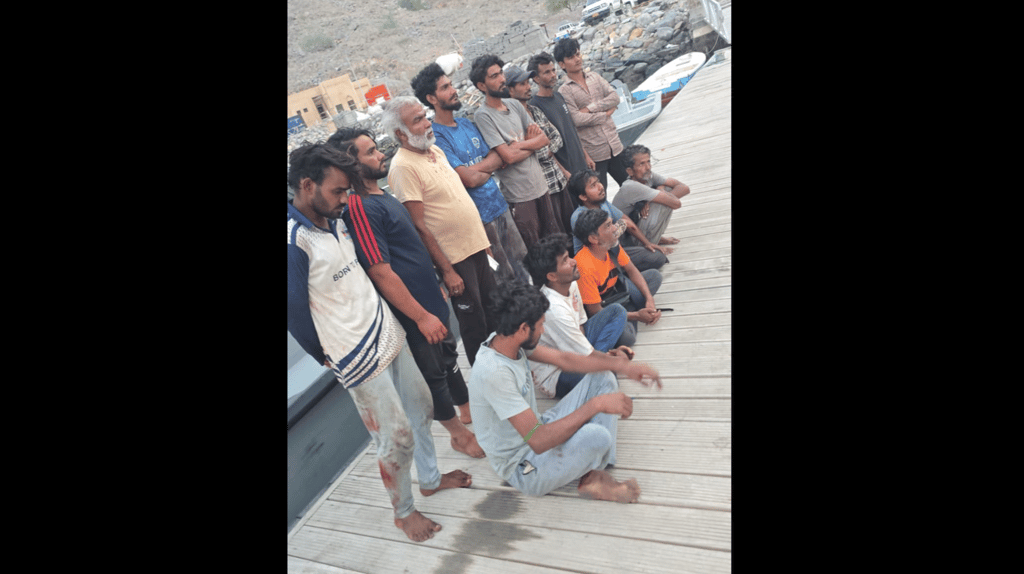
On Monday, an Indian dhow was hit at a position off Limah, Oman, the latest in a long string of vessels damaged in the ongoing U.S.-Iranian hostilities. One crewmember died of injuries sustained in the strike, and 13 were rescued by the Omani Coast Guard.
The Indian Ministry of External Affairs confirmed the incident in a statement, and it said that its embassy in Oman is working on repatriating the survivors.
"The targeting of commercial shipping and civilian infrastructure in the region must end, and free and unimpeded navigation and commerce through the international waterways in the region, in keeping with international law, must be restored at the earliest," the ministry said in a statement.
The vessel was a coaster, the Al Jusufi, according to Indian shipping minister Sarbananda Sonowal. In a statement, Sonowal identified the deceased crewmember as Gujarat resident Gandhar Nahim Ajij.
Indian seafarers have borne a disproportionate share of casualties in the Hormuz crisis, as well as the ongoing Russia-Ukraine conflict, and union FSIU called on governments everywhere for more effective intervention.
"We demand: Immediate, enforceable protection measures; accountability for attacks on commercial shipping; full support, compensation and justice for families," FSUI said in a statement. "Advisories are not protection. Seafarers are civilians, not combatants. The world has failed them."
Strikes reported at Qeshm
Separately, U.S. forces have conducted a series of small-scale strikes against targets on Qeshm, a strategic island at the north end of the Strait of Hormuz. It is a stronghold of the Islamic Revolutionary Guard Corps, and has been hit repeatedly over the course of the monthslong conflict to secure control of the strait; U.S. officials were quick to downplay the severity of the engagement.
The strike was first reported by the Wall Street Journal. Officials downplayed the severity of the operation, but acknowledged that it was the latest in a series of skirmishes with Iran's shoreside forces. For months, U.S. aviation assets have provided cover for an energy shipping corridor through Omani waters, undermining Iran's attempts to close off the strait to traffic from the GCC states.

that matters most
Get the latest maritime news delivered to your inbox daily.
Most of the engagements involve shooting down incoming Iranian drones, but on Monday, the IRGC attempt to shoot down a U.S. fighter jet with a surface-to-air missile, the officials told the Journal - prompting a limited counterattack to remove the threat.
President Donald Trump has declined to telegraph his thoughts on the possibility of restarting major hostilities with Iran. A large-scale force buildup in the Mideast gives him options, and he has hinted at several different outcomes: a successfully-negotiated peace agreement; continuation of the punishing blockade on Iran's economy; or a massive military strike, with plans said to incorporate attacks on Iran's energy infrastructure.