
Gulf Conflict Gives a Boost to Sanctioned Oil Producers
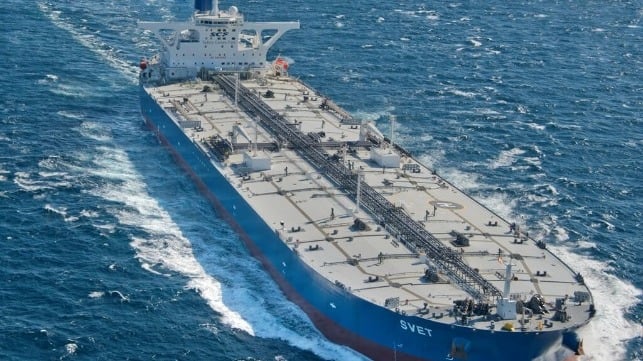
The conflict in the Arabian Gulf has given a lift to sanctioned crude oil producers, according to analysts at Vortexa. "High-risk" Russian, Venezuelan and Iranian barrels have been helping to fill the gap left by the removal of everyday Saudi, Kuwaiti, Iraqi and Emirati grades - bringing revenue for blacklisted exporters and relief for global energy markets.
Sanctioned grade export quantities have expanded every month since the start of the year, helping to keep on-water inventory high despite an accelerated rate of drawdown. U.S. sanctions relief on Russian oil has helped drive uptake of the floating inventory since March. Perhaps surprisingly, U.S. attacks on Iran have been accompanied by a substantial increase in Iranian oil exports, now running at multiyear highs. Asian demand accounts for all of the volume, and illustrates an essential role for Iranian barrels in a tight market: Asia is the region most affected by the Hormuz closure, and could be worse off if not for two million barrels per day of Iranian crude and condensate - almost all of it flowing to the well-resourced Chinese market, where crude reserves are abundant and refined-product exports are banned.
Russian export volumes remained steady through March, despite Ukraine's major attacks on Primorsk and Ust-Luga. Imports of Russian oil, meanwhile, have soared in China and India; the tight market and the temporary relief from U.S. sanctions have inspired refiners to radically increase purchasing of oil already on the water. Venezuelan volumes also remain high, reflecting the country's newfound relationship with American buyers.

that matters most
Get the latest maritime news delivered to your inbox daily.
Across all three blacklisted oil exporters, sanctioned-oil arrivals exceeded departures by about 0.5 million barrels per day in recent weeks, indicative of a drawdown of "high-risk" crudes in floating inventory. This has helped drive the share of sanctioned crude in the global energy market to about 17 percent, the highest level seen since at least 2023.
This activity fuels the continued expansion of the shadow fleet, according to Vortexa. Tankers that have loaded sanctioned barrels - often older, often operating outside of international compliance - now number more than 2,000 hulls, according to the consultancy's count. At this point, more than a third of the world's tanker tonnage (LR or bigger) has loaded sanctioned crude - and the percentage continues to rise, Vortexa says.