
Families Object to Conditions Aboard USS Lincoln as Deployment Drags On
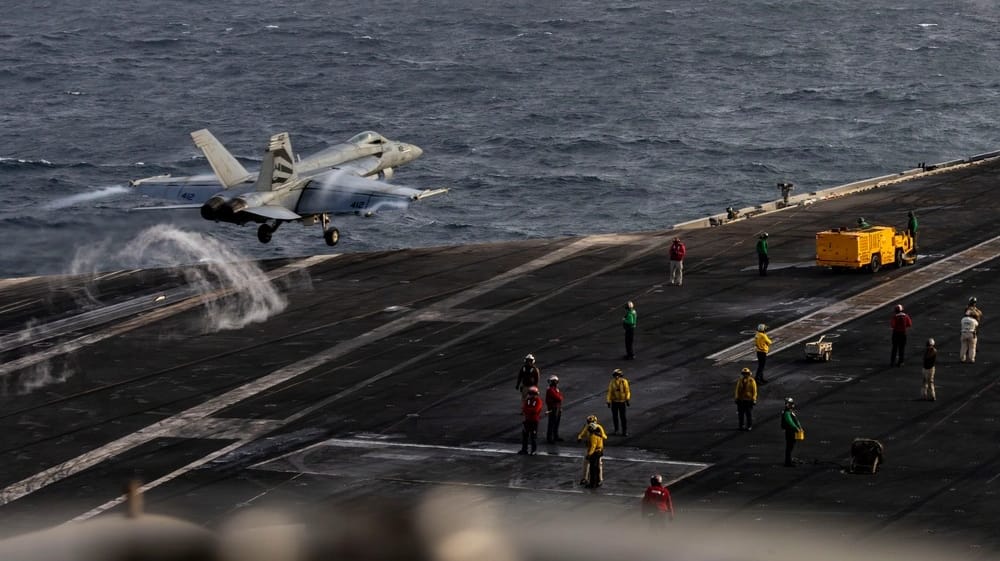
The U.S. Navy is attempting to address an image problem caused by the extended deployment of the USS Abraham Lincoln, currently stationed in the Arabian Sea in support of operations against Iran. Lincoln has been at sea for more than 260 days, longer than any other carrier in the modern era. The 5,000-strong sailors on board have been working continuously - often at a combat operational tempo - throughout the period. That kind of pace takes a toll on any crew, and families of some of the sailors aboard Lincoln have begun to raise concerns about conditions aboard ship - and are airing their objections in mainstream media.
On Thursday night, the Navy's senior leadership held listening sessions with the families of Lincoln's sailors - one in-person session in San Diego, and a second online session later the same evening. Family members leaked recordings of those sessions to MS NOW, and the described conditions aboard sound difficult: showers plagued with stubborn mildew, flagging morale, heavy fatigue, shortages of supplies and food, contaminated water supplies and lost mail - all survivable, but not ideal during sustained combat operations against a midsize regional power like Iran.
The Navy says that it will be deploying USS Theodore Roosevelt to relieve USS Lincoln at some point in the near future, though - as is standard - officials have declined to give an exact date for departure. In the meantime, a primary concern among family members is the mental health and physical safety of those aboard: carrier flight decks are inherently dangerous spaces, requiring strong situational awareness; while accidents are thankfully rare, they do occur and can be fatal, and distraction and fatigue do not tend to improve safety statistics.
Navy leaders emphasized the value of the ship's Human Factors Councils, which are set up to "review the human factors that impact the wellness of individuals within the command and identify primary prevention efforts to reduce relevant risk(s)."

that matters most
Get the latest maritime news delivered to your inbox daily.
Food and dry stores are also said to be an issue, despite the efforts of Military Sealift Command to keep the carrier fully sustained. Part of the supply chain issue is an under-discussed logistical bottleneck: Bahrain was 5th Fleet's sustainment hub for carrier strike group operations. Like everything inside of the Strait of Hormuz, it became inaccessible by sea (barring high risk transits) from March onwards. When it got cut off, all of the goods that would ordinarily be delivered to the carrier out of Bahrain got cut off too. "All of the gear that was there when the shooting started got stuck there,” Vice Adm. Douglas Verissimo told the virtual town hall (per recordings provided to MS Now).
Concerningly, members of the audience also reportedly expressed a degree of skepticism about the value of the Lincoln's mission in the Mideast. Recent polling shows that only one-third of American citizens support the continuation of the war in Iran, and one-fifth of the administration's own supporters believe that the war should be stopped regardless of the domestic costs.
