China Follows US in Continuing Suspension of Fees on Shipping
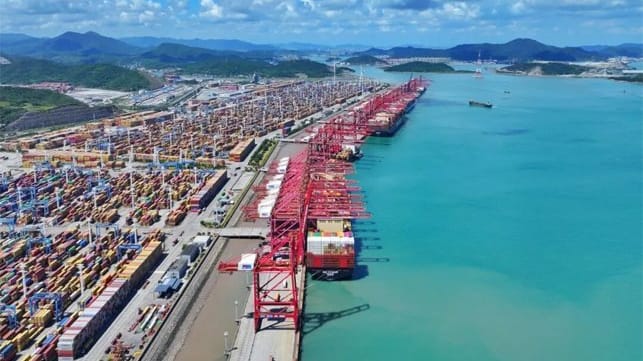
Chinese officials confirmed on Monday, November 9, that they would be extending a suspension of port fees on U.S. shipping interests after the U.S. Trade Representative’s Office had previously announced a similar move. The reciprocal action is part of a larger effort between the two countries to reach broad trade agreements.
China’s Ministry of Transport announced the continued suspension of special port fees and a planned investigation into shipping and shipbuilding. It said the move, which lasts two months to January 10, 2027, was in the interest of the eight round of trade consultations between China and the United States. It said it would continue to defer the collection of special port charges on ships linked to the United States.
In October 2025, the United States implemented its Section 301 fees on ships operated by Chinese companies calling at U.S. ports as well as all Chinese-built commercial shipping. It was an effort first begun by the Biden administration in response to an unfair trade claim filed by five American unions alleging China was subsidizing and unfairly supporting its shipbuilding industry. The USTR, after a lengthy investigation, agreed that China was engaged in unfair trade practices to support the development of its shipbuilding industry.
Chinese officials said the United States was trying to blame China for years of failed policy and a lack of investment in its shipbuilding industry. Chinese shipyards, however, built a large lead in the global industry, taking as much as 70 percent of the recent global orders.
Whereas the U.S. program was far-reaching, hitting international shipping companies that build ships in China, the reciprocal program was targeted at U.S.-built and U.S.-flagged commercial shipping. It targeted small segments of international trade and shipping at Chinese ports.
After Chinese President Xi Jinping met with Donald Trump, the U.S. agreed to suspend its Section 301 fees on Chinese shipping for one year. China followed suit, suspending its fees on November 10, 2025.
Shippers have been rushing their orders, creating an early peak season in part because of the uncertainty over the scheduled expiration of the tariff waivers due this month. Chinese ports have reported record volumes, while in the United States the ports of Los Angeles and Long Beach both anticipate record years, as do other U.S. ports receiving Chinese exports.
The USTR recently said, in the interest of continuing the trade discussions, that it would further delay the U.S. fee program until January 2027. China reciprocated today, extending the delay on its fee program also to January 10, 2027.
It was part of a greater Chinese effort at delaying tariffs and fees. China’s State Council approved the delay of the shipping fees while also suspending a 24 percent additional tariff on U.S. imports. It also extended waivers on the export of certain critical minerals and sanctions that it planned to impose on five units within Hanwha Ocean for its cooperation with the United States. The State Council, however, noted it would maintain a 10 percent tariff and continue to track the U.S. Section 301 tariff actions and, as appropriate, would adjust its tariff countermeasures.

that matters most
Get the latest maritime news delivered to your inbox daily.
Chinese and U.S. leaders are due to meet again next week as talks continue toward finalizing trade agreements. Xi and Trump are both scheduled to attend the 2026 APAC Summit in China next week along with other world leaders, including Russian President Vladimir Putin.
Trump will be facing increased pressure after the midterm elections to reach new trade deals. The new U.S. Congress is expected to more aggressively oppose tariffs, as they were seen as one of the issues driving the high cost of living in the United States, which became a central issue of the midterm elections last week.