
AI Navigation's Advocates Put a Premium on Human Skill
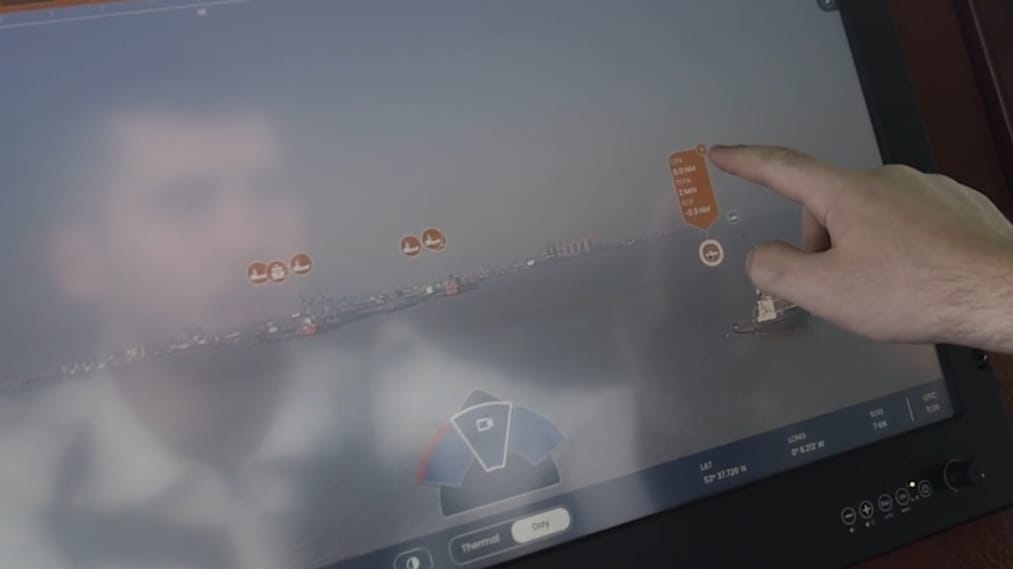
Real-world test data suggests that AI watchkeeping assistance systems can make shipping safer, reducing risk of collision during challenging navigation scenarios. But the tech's advocates say that it is by no means a substitute for skilled mariners: it augments the abilities of the best watchstanders, and it is a training aid that can be used to reinforce best practices for everyone.
Torsten Pedersen, the SVP who runs ship management for CMA CGM's owned fleet, has seen enough evidence to believe in the technology. He was previously involved in the rollout of the Orca AI watchkeeping-assist system at Seaspan, where he moved it from limited-scale trials to a 100-ship implementation. While a big advocate for its benefits, he sees little chance that it could substitute for investing in the best people.
"If you man your vessels with the people who are happy with just being on board, you're not going to get any benefits out of this, and you cannot replace that. If you man your vessels with people who have ability and motivation, then the technology provides them with the best opportunity to be as good as they can be," says Pedersen, "If you want to be the best that you can be, you find all the ways you can become better."
At Seaspan, Pedersen's team used Orca AI data to monitor navigation during arrival and departure, the situations where the consequences for error are highest. They used detailed analysis of maneuvering patterns to provide feedback to their captains, and saw immediate safety improvements. They also identified (and recognized) captains who showed exceptional performance. The benefits extended beyond the four walls of Seaspan's own operations: some of the patterns of risk were driven by pilot decisionmaking, and the detailed data turned out to be an entry point for objective, fact-driven conversations with local pilots about maximizing safety - something that pilots care greatly about too.

that matters most
Get the latest maritime news delivered to your inbox daily.
The through-line from these experiences suggests that AI navigation assistants aren't replacing or "patching" human ability; on the contrary, managers are using the technology to increase it. Orca AI CEO Yarden Gross has been making this point for years. "This isn't coming to replace seafarers in the future. That is not the case. The human in the loop is always going to be there. What it can do, it can automate tedious and very repeatable tasks, and it will offload work for them - very similar to airplanes," he says.
"If you go back enough years, people were saying that computers were going to take over office work. Sure, they took over stuff, but then the people did something else because the companies grew at the same time," Pedersen adds. "It is the same with shipping. I don't think we will see unmanned ships in my lifetime, except for trials. Nobody will want to have a ship stuck in the Pacific Ocean without anybody on board."
