


Environmental Remediation at Aging Ports
A Practical Approach to Managing Legacy Contamination
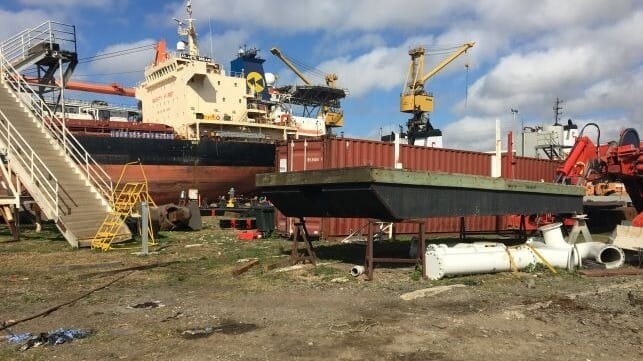
Ports face a dual challenge: modernizing aging infrastructure while managing environmental contamination from decades of industrial use. In a conversation, GHD’s Tony Hoffman, Railway Remediation Project Director, and Brian Moore, Manager of Contamination Assessment and Remediation, discussed practical approaches to environmental remediation that keep operations running.
Q: What environmental issues do you typically encounter when ports need to replace aging infrastructure?
Tony: Replacing aging infrastructure presents challenges beyond capital costs and operational impacts. Since many port properties have endured more than a century of heavy industrial use, there are inherent environmental issues that must be addressed during infrastructure upgrades—usually in the form of impacted soil and groundwater.
Infrastructure replacement on environmentally impacted properties typically requires soil management, dewatering, and air monitoring plans approved by local regulators before starting work. Because many port properties are constructed using dredged material, they're impacted by an array of contaminants from sediment brought up from the bottom of adjacent water bodies. This can include heavy metals, polychlorinated biphenyls (PCBs), organic hydrocarbons, and other industrial pollutants.
Q: Are there specific contaminants that are particularly concerning at port sites?
Brian: Two anthropogenic contaminants (pollutants introduced into the environment directly or indirectly by human activities) are of particular concern: arsenic and polycyclic aromatic hydrocarbons, or PAHs.
A common source of arsenic is dredging sediment. As many port properties were filled or enhanced with dredge sediments, arsenic is commonly encountered. The contamination is often widespread and not limited to specific hot spots, which makes targeted cleanup challenging.
Q: Why are PAHs so challenging to address?
Brian: PAHs are of high concern because of their carcinogenic and toxic nature. Since PAHs are often found in nature, it's difficult to determine if the sources of PAH impacts are related to human activity. Natural sources include wildfires, volcanic activity, or the presence of fossil fuels. Anthropogenic sources largely result from fuel storage and distribution systems, the production of asphalt and asphalt sealants, and automobile and other emission sources.
Without proper differentiation between anthropogenic and naturally occurring PAH impacts, timely regulatory closure can become a challenge.
Q: How do regulatory requirements affect port remediation projects?
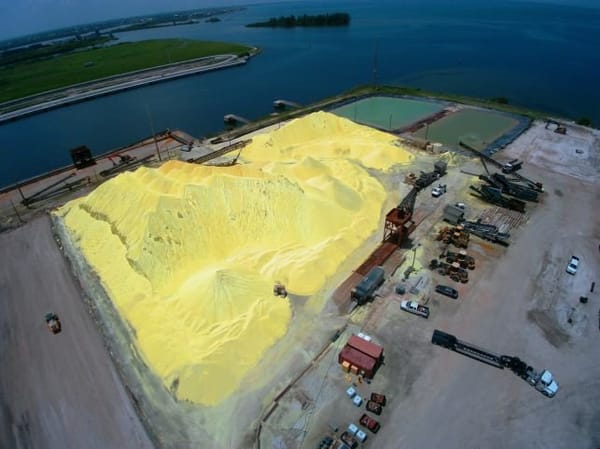
Brian: Ports typically maintain leases with multiple tenants who are responsible for maintaining regulatory compliance. Often, the port becomes a responsible party for cleanup of legacy contamination originating during operations by a previous tenant. If contamination is identified during due diligence, remediation may delay tenant occupancy or limit operations.
Port remediation projects are designed and implemented to accommodate tenant occupancy and operations. In many cases, contamination may be left in place and controlled versus removed or treated. Engineering controls are commonly used to prevent leaching and direct contact by site users. Most groundwater contamination is managed through simple groundwater use restrictions since shallow groundwater typically isn't utilized for supply due to its saline content.
Q: What innovative approaches help balance cleanup needs with operational realities?
Tony: Risk management is an innovative approach to closing impacted sites at port facilities. Physical remediation is often impractical due to costs, impacts on operations, or practicality. It's our responsibility to analyze our clients’ operations and find the best path to clean up that will minimize their economic commitment.
One of the most important requirements for ports is maintaining awareness of contamination, so proper planning can occur if excavation or dewatering is being contemplated. Many ports incorporate contamination information within their GIS systems, so project coordinators are aware of potential contamination. Once excavation is planned in a known contaminated area, soil and groundwater management plans can be generated for use by contractors.
Q: Can environmental remediation be integrated with broader port modernization efforts?
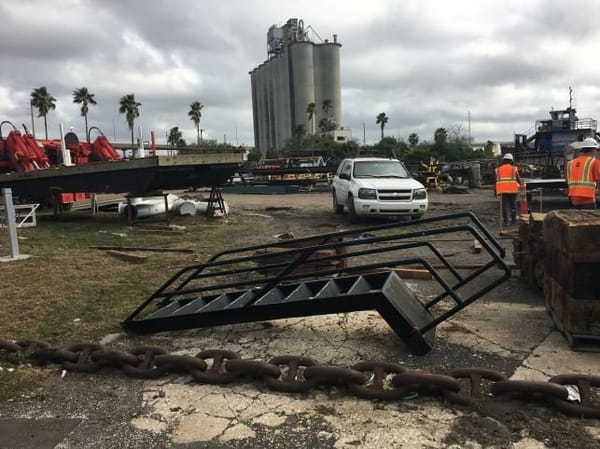
Brian: The biggest challenges facing ports are aging infrastructure and future sea level rise. Oftentimes, environmental remediation efforts are undertaken as part of broader upgrades to port infrastructure. Green infrastructure, flood protection, energy efficiency, and smart technologies can all be implemented along with environmental remediation.
We assisted Port Everglades with environmental support during the replacement of 9,000 linear feet of aging deep water bulkheads at six separate locations. In locations where soil impacts were identified, we prepared soil management plans to be utilized during construction to ensure worker safety and mitigate the potential spread of contamination. The bulkhead replacement is part of Port Everglades' efforts to enhance operations while mitigating against sea level rise. Designs for the bulkheads are based on a projected sea level rise of 4.36 feet by 2095.
GHD combines strategic planning advisory services with infrastructure engineering to help ports navigate complex challenges from energy transition to funding innovation. Discover how GHD is shaping the future of maritime infrastructure here.
This article is sponsored by GHD.
The opinions expressed herein are the author's and not necessarily those of The Maritime Executive.
