


VR Bridge Simulation Arrives Aboard U.S. Navy Carrier

Virtual reality training is an increasingly important tool for merchant mariner education, both in the familiar full mission bridge simulation format and in the lighter-weight VR goggle format, which allows sailors to train almost anywhere in a digital visual environment. The portability, affordability and accessibility of the VR goggle format has made it popular, and it has now arrived in naval training service as well.
In early January, sailors aboard the carrier USS Theodore Roosevelt used VR simulation systems from training provider Kilo Solutions to practice navigational skills while alongside the pier in San Diego. Hosted by the Office of Naval Research's TechSolutions program, which looks for ways to prototype cutting-edge tools for the fleet, the trial introduced members of the crew to a new way to practice Rules of the Road proficiency and to rehearse naval missions.
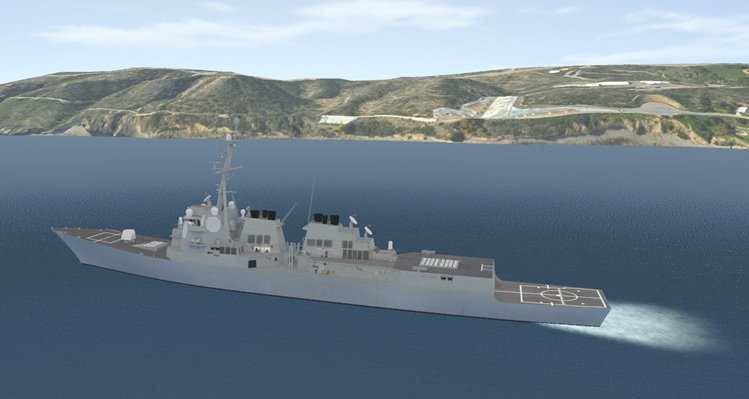
Courtesy Kilo Solutions Ltd.
The idea behind onboard VR is to give crewmembers a way to keep their skills sharp without leaving the ship to go to a simulation center, and to practice new maneuvers in a realistic way before they have to try them out in the real world. It can also be used to safely evaluate seafarer skills in tough situations, much as VR bridge environments are used in merchant mariner training centers.

that matters most
Get the latest maritime news delivered to your inbox daily.
Kilo's system - dubbed VIBRaNT - uses off-the-shelf VR goggles with training software that the company developed for civilian merchant mariners. It only takes headsets, a computer, and wifi to set up a "training environment" aboard ship.
"I can see this system being very useful to have onboard," Senior Chief Quartermaster Tom Salvatore said in a statement. "Currently we rely on off-ship simulators in order to train our watch teams in foreign ports and waterways."
