


Vineyard Wind Gets Fourth Preliminary Injunction Against Stop-Work Order
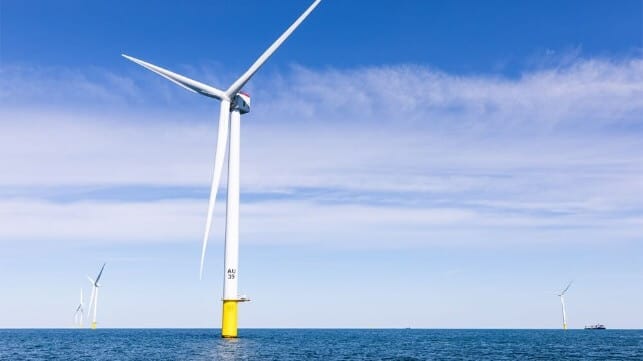
A U.S. District Court Judge in Massachusetts became the fourth to award a preliminary injunction against the Trump administration’s stop-work orders on the offshore wind energy industry. Vineyard Wind 1 had gone to court in mid-January following Dominion Energy, Ørsted, and Equinor, each of which also received preliminary injunctions in their cases, leaving only Sunrise Wind to still be heard by the courts.
Vineyard Wind 1, which is located approximately 15 miles south of Martha’s Vineyard and Nantucket, Massachusetts, is the most developed of the wind farms as it is 95 percent complete. The company argued it was in an extremely vulnerable place with the greatest danger because it had 10 installations where the turbines were in place without their blades when the Trump administration issued the stop-work order in December.
The company argued that these installations, known in the industry as “hammerhead,” were at risk because of exposure to the elements and dangers such as lightning strikes, which they said could cause a fire.
The Department of the Interior attempted to refute the claims of danger from the partially installed turbines. It said the Bureau of Safety and Environmental Enforcement did not agree with the dangers. The administration has been arguing that new confidential research showed increased dangers to national security from the wind farms, from elements such as radar clutter from the blades and towers.
Judge Brian Murphy issued the preliminary injunction against the stop-work order today, January 27, for Vineyard Wind 1. It permits the company to restart its installations while the case is argued in the court.
Vineyard Wind 1, which is being developed by Avangrid and Copenhagen Infrastructure Partners, told the court it is 95 percent complete, and without the stop-work order, it was expected to be completed by March 31. It has been under construction since 2022, but had a delay after faulty blades were discovered in July 2025.
Because of its status as being partially operational, the government had permitted the project to continue operations, but required it to stop the final turbine and blade installations. In the court filing, the project said 44 of its 62 turbines were fully installed and operational, and 61 were at least partially installed. The project is already able to produce nearly 600 MW of its ultimate capacity of 800 MW.
Massachusetts Attorney General Andrea Joy Campbell filed an amicus brief last week in support of Vineyard Wind. The state asserted the project is critical to meeting increased energy demand and protecting Massachusetts’ economy.

that matters most
Get the latest maritime news delivered to your inbox daily.
The stop-work order that came from the Department of the Interior targeted the five under-construction projects, and with today’s decision, four judges have blocked the stop-work order from being enforced. Like Vineyard Wind 1, Dominion Energy’s Coastal Virginia Offshore Wind and Ørsted’s Revolution Wind are in advanced stages of construction, and both are expected to shortly begin generating power. The administration has continued its efforts to oppose the industry and has promised to fight the cases in the courts.
Some of the other judges have said the stop-work order was too broadly written. They found the government failed to show a danger from the construction continuing. One judge said the issue was with operations not the installation. Each of the companies has said it wants to work with the government to understand the concerns and resolve the issue. They point out the projects went through years of review during the permitting and addresses issued raised by all the parties during the process.
