


UK Consortium Proposes Floating Nuclear Plant for U.S. Military
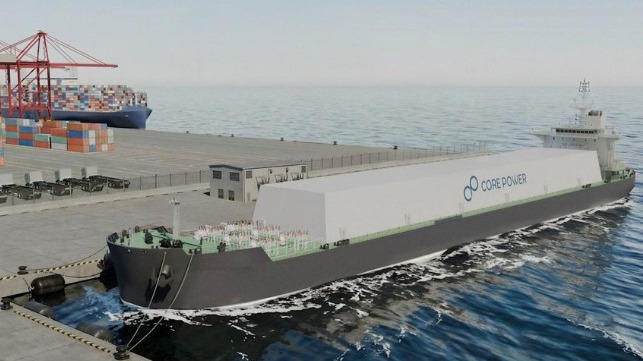
An international consortium headed up by a British firm is pitching a proposal to the Pentagon to build a ship-borne nuclear power station, to be docked at a naval facility.
The concept seeks to exploit the nuclear regulatory environment enjoyed by the department, which has extensive experience of using small nuclear reactors afloat and well-established protocols which would enable a deployment far faster than civilian nuclear power plants can be built in most countries.
The Pentagon has an interest in facilitating such an endeavor, because AI and data centers on which the department depends cannot get access fast enough to the additional power sources needed to power them through the national power grid. The floating power station could be connected directly to a data center from the dockside, or into the national power grid for offtake elsewhere. Once grid supply catches up with local demand in the area being served, then the floating power station could be moved to an alternative location – even in another country in need of a power boost, for example in the aftermath of a natural disaster. So long as the vessel does not transport cargo between U.S. points in the course of its operations, the hull could be built overseas at reduced cost without triggering the requirements of the Jones Act.
The consortium led by Core Power brings together Terrapower, a US mini-rector start-up backed by Bill Gates; Japanese and Korean shipbuilders; and the French parastatal nuclear fuel company Orano, with fit-out to be completed in the United States. The consortium is aiming to use an existing shipborne nuclear reactor design initially, with an output of 300MW.

that matters most
Get the latest maritime news delivered to your inbox daily.
There should be a range of existing reactors to choose from: Nimitz Class aircraft carriers each have two 550MW reactors, and the output of the Rolls Royce PWR2 submarine design in service is estimated to be 150MW. These reactors are designed to run on weapons-grade uranium, which creates a security challenge for fuel handling and storage. Modern French naval reactor designs run on low-enriched uranium, like typical civilian reactors, and thus have less restrictive security requirements – but they require more frequent refueling, and the technology is subject to stringent export controls.
The Pentagon response to the multinational proposal is unclear. But in May 2025, the White House issued an order requiring the department to deploy an advanced nuclear reactor at military base before the end of the Trump administration’s second term.
