


Trump's Foreign-Build Plan for U.S. Warships Hits Congressional Opposition
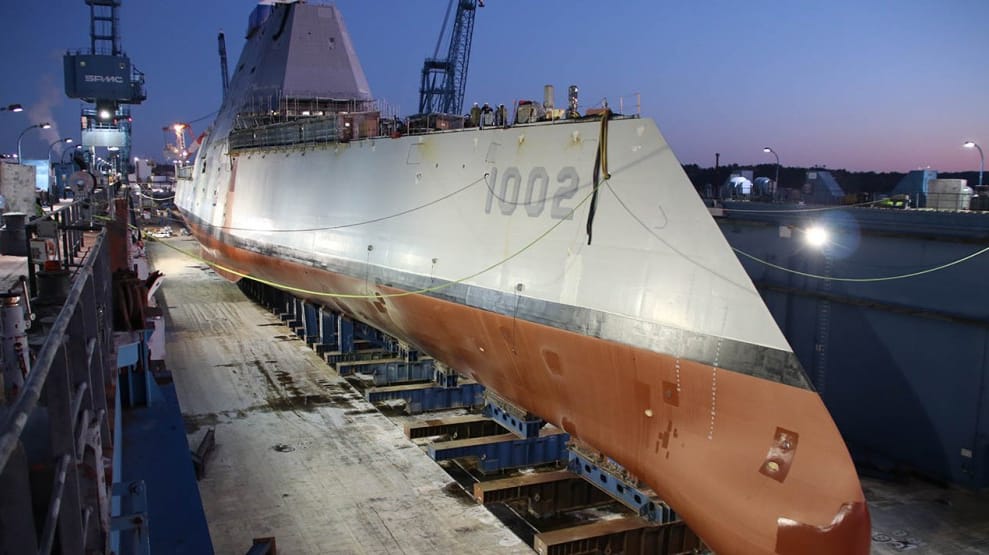
Congressional representatives from several shipbuilding districts are unenthusiastic about the Trump administration's proposal to send warship orders to South Korean or Japanese shipyards, which are capable of rapid construction but have never held newbuild contracts for the U.S. Navy - nor access to the most sensitive aspects of American warship construction.
A newly-signed memorandum from the White House would offer the first two ships in a given series to an overseas shipyard, so long as that shipbuilder has a U.S. presence and later transfers the work package for the remainder of the series to an American yard. The administration says that this would accelerate delivery of warships to the U.S. Navy, which faces delays on every shipbuilding program in its portfolio, while simultaneously attracting capital to reconstruct the U.S. shipbuilding industrial base.
Navy Secretary Hung Cao told a hearing of the Senate Armed Services Committee (SASC) earlier this year that Bath Iron Works has four destroyer orders that have not yet reached steel-cutting, and the administration's overseas-construction plan is "to allow for the industrial base to catch up."
Skeptics are less certain: South Korea's Big Three can readily outcompete many naval shipbuilders on price and delivery timeline. In commercial shipping, the quality of their product is well-regarded. Once the U.S. Navy begins allocating work to overseas yards, the pressure to continue to do so could be substantial - with risk implications for U.S. shipyard investments.
“I don’t know how we’re supposed to take any soaring ‘America-first’ language from this administration seriously when it appears to be bound and determined to send American shipbuilding jobs overseas and, now, to sell American shipyards to foreign corporations," said Maine Congressman Jared Golden (D) in a statement last week. "Luckily, the House has already given bipartisan support to my language to block this short-sighted offshoring scheme, and the Senate is poised to do the same."

that matters most
Get the latest maritime news delivered to your inbox daily.
There are national-security questions as well: South Korea and Japan are close allies, but do not currently have access to the full suite of built-in features and technologies that underpin an American warship. While locally-managed, Korean and Japanese yards employ thousands of foreign workers from Southeast Asia and elsewhere; the workforce present in their facilities is multinational, and not exclusively sourced from nations with deep defense ties to America.
"I hope we can revisit this terrible idea of talking about building naval vessels abroad, both for the national security point of view but also rebuilding industrial base means providing the demand signal to allow our industrial base to reconstitute itself and meet the demand we are placing on them," said Sen. Angus King (I-ME) in a May hearing of the SASC.
