


Sweden, Finland Propose Strict Ban on Services for Russia-Linked Tankers
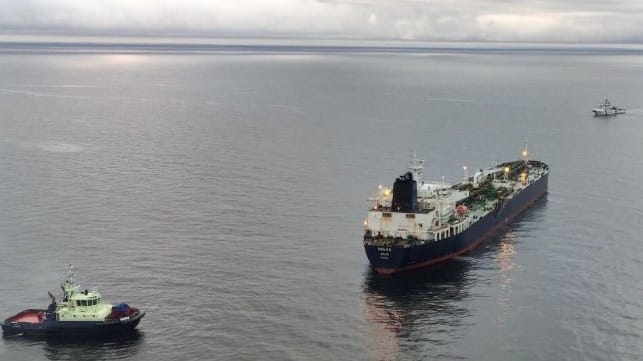
The governments of Sweden and Finland, which have both experienced suspicious incidents linked to "shadow fleet" tankers, have jointly called on the EU to strengthen its restrictions on Russian oil shipping. The EU is a party to the G7 price cap on Russian crude exports, and has stringent limitations on energy importation from Russian suppliers; however, it is also home to many shipowners, insurers, traders, brokers and others who facilitate the movement of "compliant" Russian cargoes. If the proposed rule change were adopted, it would be difficult for EU maritime services companies to interact with the Russian energy shipping sector - even for cargoes below the price cap, and for cargoes of LNG.
In a joint statement released Monday, Finnish Foreign Affairs Minister Elina Valtonen and her Swedish counterpart Maria Malmer Stenergard called for a complete maritime services ban on Russian energy shipping. "This would substantially increase the transportation costs for Russia and ensure that no EU entity is involved in supporting this trade," the ministers said.
In practice, this would mean no EU-domiciled firm could engage in ship-to-ship transfers, in-port repairs or insurance services involving Russian oil cargoes. If enacted, this could impact Russian LNG shipments to Europe, which still comprise a substantial share of the bloc's energy supply.
The proposed restrictions would also make it difficult for European-owned ships to carry Russian crude cargoes, even if they comply with the G7 sale price cap. Greek tanker owners provided a sizable share of the foreign-flag tonnage that carried compliant Russian cargoes - as much as 40 percent of the total, according to Windward. In November, that involvement wound down significantly after the advent of U.S. sanctions on Rosneft and Lukoil, according to a recent analysis by Windward.
The proposal also calls for tightening limits on imports of Russian fertilizers. At present, the ministers said, the quotas are loose enough that "the trade is in practice unhindered."

that matters most
Get the latest maritime news delivered to your inbox daily.
The Swedish-Finnish proposal arrives at the same time as a broad EU funding package for the government of Ukraine, which will provide $90 billion to Kyiv for weapons, salaries, medical care and public services. The package will head off an expected budget crunch that is looming for the Ukrainian government in the spring.
