


Strike Threatens BHP’s Exports from World’s Largest Bulk Export Port
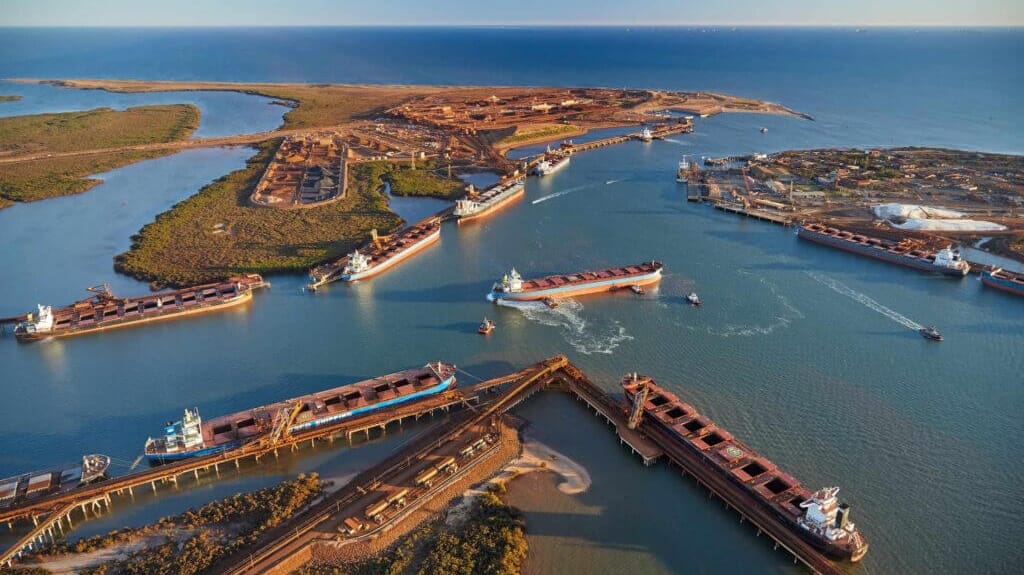
A last-minute meeting on Tuesday, August 4, appears to be the final hope to head off a planned strike set for two days that would bring BHP’s iron exports to a halt and could further interrupt operations at Port Hedland, Australia. The Combined Ports Unions assert it has been negotiating for eight months and that it will begin to ramp up pressure on BHP after a brief strike on July 16.
The combined organization, which represents three unions, filed a notice at the end of last week after the latest negotiating session failed. It officially informed BHP and the authorities that the combined workforce would conduct a protected industrial action under Australian labour law. In the first phase, on August 8, it will impose a 24-hour ban on loading ships, and then on August 9, it will conduct a full work stoppage at Port Hedland Bulk Export Terminal. A separate electrical union said it would join the work stoppage on August 9.
BHP reportedly ships around 800,000 metric tons a day of iron ore from Port Hedland. The port is also used by both Forescue and Hancock Prospecting, although those companies are not part of the current contract negotiations.
Port Hedland is one of the ports of the Pilbara, which combined, make up the largest bulk export port operation in the world. Last year, Pilbara Ports handled a record of just over 804 million tonnes of exports and imports, representing an export value of A$150 billion (US$104 billion). The Port of Port Hedland constitutes the bulk of the volume, having handled over 580 million tonnes of throughput in FY 2025-2026.
The strike would come as the port is already experiencing delays. At the end of June, Lloyd’s Intelligence reported waiting times of up to eight days for vessels.

During the last job action, the unions brought out "Scabby the Cat" to highlight the money BHP makes from the exports while not offering what it said is a fair contract (Western Mine Workers Alliance - WMWA)
BHP said that a stoppage would impact A$120 million (US$84 million) in daily revenue and cost the Western Australia government as much as A$6.85 million (US$4.8 million) in royalties. The company said it would likely be able to recoup the losses over the remainder of the year.
The company said it is frustrated by the lack of progress, telling Australian media it has offered a 16 percent pay raise. It reportedly has asked Australia’s Fair Work Commission to moderate Tuesday’s talks.

that matters most
Get the latest maritime news delivered to your inbox daily.
For its part, the leadership of the combined unions called the progress in the negotiations “glacial.” The unions represent about 450 operators and maintenance workers, and they are demanding a four-year collective agreement. They said there needs to be “enforceable wage and condition protections.”
About 100 members had walked off the job for eight hours on July 16. BHP said it resulted in minimal disruption as seven ships had continued to load.
