


Rubio: Vitol and Trafigura Have a Temporary Role in Venezuelan Oil
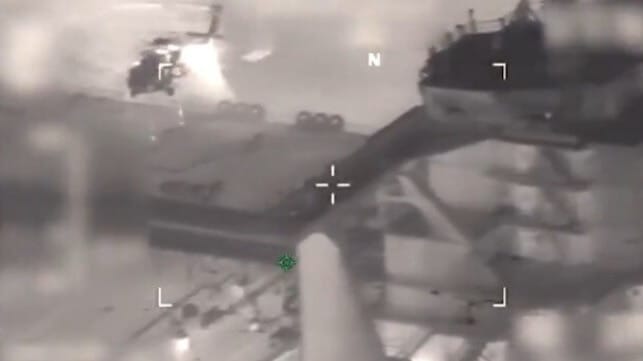
The U.S. has released one of the shadow fleet tankers that it seized in the Caribbean over the past month, Secretary of State Marco Rubio told the Senate Foreign Relations Committee yesterday. The tanker was originally seized at Venezuela's request, he explained, because it had been dispatched on an unauthorized delivery voyage by "some other network" in the country, not by the central government itself.
The six other tankers that the U.S. has captured for engaging in trade with the regime of former dictator Nicolas Maduro are still in various forms of American custody. Two of the seized vessels have arrived off the coast of Texas; two are off the coast of Puerto Rico; one more is anchored off Scotland; and one has returned to Venezuela, in addition to the vessel that has been released from U.S. control, identified by officials as the M Sophia.
This seventh tanker was a special case, Rubio said: it carried a cargo that had been essentially handed out as a bribe by the Maduro regime. Rubio described a fiefdom system in which Caracas allocated areas of illicit economic activity to its domestic supporters in exchange for their loyalty. Some got to charge safe-passage fees to drug-smuggling networks, others "made money from an oil field that was given to them," Rubio said. "The glue that held the Maduro regime together was corruption and graft."
The oil aboard the seized M Sophia has been returned to Venezuela and folded into the new, U.S.-run trading program. Under new American management, Vitol and Trafigura sell all of Venezuela's oil on the open market. The proceeds go to a bank account in Qatar, where the money is not vulnerable to seizure by Venezuela's U.S. creditors. From the Qatari account, Venezuela's government can withdraw what it needs to pay the salaries for its public security forces and other basic functions - subject to U.S. oversight, Rubio said.

that matters most
Get the latest maritime news delivered to your inbox daily.
For the long term, Rubio said, the U.S. does not intend to permanently operate Venezuela's oil industry in this way. The current arrangement with Vitol, Trafigura, the Qatari bank account and the U.S. oversight process is temporary, Rubio said - merely a structure of necessity, created to sell enough oil to pay Venezuela's immediate bills.
"This is an interim step. This is not the way we want the oil industry to look in perpetuity," Rubio said. "The long-term plan isn’t to use these two trading companies." After a transition period, Venezuela would be back to selling its own oil on the global market, Rubio told the committee.
