


Report: Chinese Fishing Vessel Hijacked Off Somalia
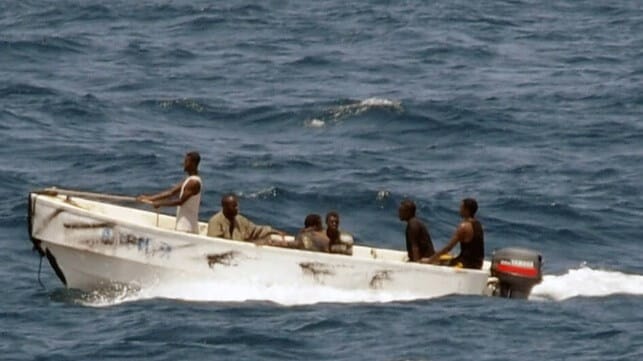
A Chinese fishing vessel from a notorious illegal-fishing fleet has been hijacked off the coast of Puntland, Somalia, according to maritime security consultancy Vanguard Tech.
The vessel in question, Liao Dong Yu 578, was reportedly captured at a position just off the coast near Bandarbeyla, Puntland (09 09 N 050 43 E). The hijackers struck in the early afternoon local time on New Years' Day, and are suspected to be planning to hold the crew for ransom, Vanguard reported. The report has not been confirmed.
In the past, captured fishing vessels have sometimes been used by Somali pirate gangs to roam the Indian Ocean in search of larger targets, but history suggests that Chinese fishing vessels can also yield significant ransom payouts.
If confirmed, it would be the second time that Liao Dong Yu 578 has been captured by pirates. The vessel was reported hijacked in the same region off Puntland in November 2024, and was released in January 2025 after a reported ransom payment in the low seven figures. In that instance, EUNAVFOR reported the hijacking some weeks after its occurrence.
According to Dave Harvilicz, Assistant Secretary for Cyber, Infrastructure, Risk & Resilience Policy at the U.S. Department of Homeland Security, the Liao Dong Yu fleet in particular is known for fishing illegally off the coast of Somalia, targeting and depleting the valuable yellowfin tuna fishery.

that matters most
Get the latest maritime news delivered to your inbox daily.
"Due to persistent illegal, unreported and unregulated (IUU) fishing by China and other foreign fleets, stocks of Somalia’s yellowfin tuna are facing a collapse that could devastate the economy and affect food security. IUU fishing costs Somalia $300 million annually and threatens the livelihoods of up to 90,000 artisanal fishermen," Harvilicz said in a statement last month.
Puntland's local authorities operate semiautonomously, and issue their own fishing licenses to Chinese operators, according to the Global Initiative Against Transnational Organized Crime. This makes it hard to enforce national fisheries laws consistently, Africa Defense Forum reports.
