


Melting Ice Opens Up New Areas of the Canadian Arctic
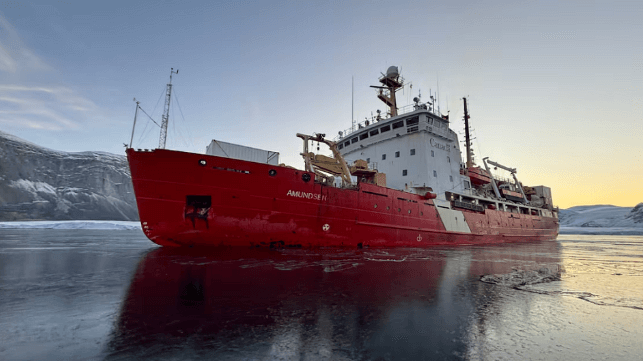
As climate change continue to affect the Arctic, long-frozen waters of the Canadian high north have become navigable for the first time. The region includes waters around Queen Elizabeth Islands and western Tuvaijuittuq, which historically have been inaccessible due to thick ice all year round, but in a recent expedition, the Canadian icebreaker CCGS Amundsen was able to enter and explore.
The expedition happened back in September, led by researchers from Fisheries and Oceans Canada (DFO) and the University of Manitoba. With the success recorded in exploring waters around Queen Elizabeth Islands, DFO called the voyage the first comprehensive oceanographic research expedition in the area.
“We were finding really deteriorated and heavily melted ice. The thickest ice we found was around seven meters. The lost ice has increased the area of open water, making the region more navigable,” David Babb, a researcher at the University of Manitoba who participated in the expedition told CBC.
Partly, climate change has contributed to weakening of the multi-year ice in Canada’s high north, scientists say. Babb added that the region is seeing more seasonal ice, including the waters around the Queen Elizabeth Islands, considered among the last permanent sea ice areas in the world.

that matters most
Get the latest maritime news delivered to your inbox daily.
The once-impenetrable sea ice is now giving way to passage by ice-breakers. According to Babb, this gives scientists an opportunity to learn more about the under-studied parts of the Arctic. However, northern indigenous communities face the greatest exposure to melting ice, which risks destabilizing their food security.
Receding ice in the Arctic also poses geopolitical risks for Canada, especially with the rising presence of Russia and China in the region. Russia has begun to use the Arctic waters of the Northern Sea Route (NSR) as a way to evade western sanctions on its energy industry, particularly its LNG exports. A recent report by the Bellona Environmental Transparency Center estimated that 100 sanctioned ships sailed along NSR in 2025, nearly a third of cargo ships using the route during the year. This is a sharp rise from 2024 when seven oil tankers and six LNG tankers classified as shadow ships used the route. The rise of dark fleet along the Arctic shipping route exacerbates risk of accidents and oil spill. Environmental catastrophes could be highly devastating to the fragile Arctic ecosystems, coupled with the fact that rescue operations in the region tend to be slow.
