


Italian Cabinet Approves Bill to Allow "Naval Blockade" of Migrant Boats
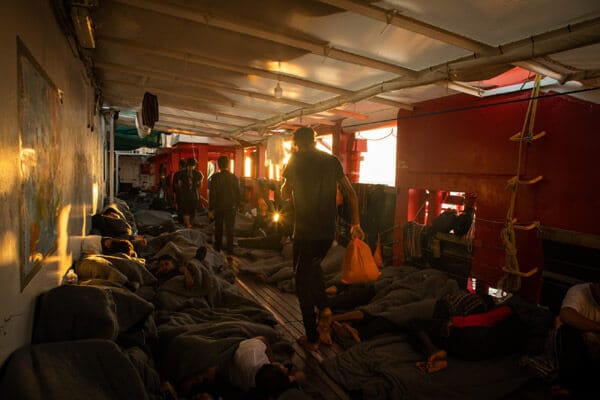
Italian Prime Minister Giorgia Meloni's cabinet has approved a bill that would provide her government with the power to impose a blockade on new migrant arrivals using the country's naval forces. The bill is the latest measure in Meloni's long - and by some measures successful - effort to stem maritime migration from Libyan shores, and it is among the most stringent yet proposed.
The new bill includes a boost for border surveillance and gives the administration more ability to deport foreign nationals for criminal offienses, but its centerpiece is the naval-blockade element. It would allow Meloni to deploy Italy's navy to deter migrant vessels for up to 30 days in the event of "exceptional migratory pressure" or a "serious threat to public order." Other possible justifications enumerated in the bill include pandemics, terrorism risk, or security protection for major events.
The bill appears aimed in part at maritime rescue NGO vessels, which routinely retrieve migrants from unseaworthy craft in international waters and then disembark them in Italian ports. The Meloni government has previously instituted a range of policy measures to reduce NGO vessel effectiveness, like minimizing the number of NGO rescues per trip and requiring maximum-distance transits to northern Italy for offloading, with vessel arrests and financial penalties for noncompliance.
The new naval-blockade provision - if activated - would allow fines of up to about $60,000 for blockade-running vessels with migrants on board, or vessel confiscation by the Italian state for repeat offenders. NGO vessels are the only transport providers making multiple trips in and out of Italian waters, and if they continued operations during a declared 30-day blockade, they would appear to fall afoul of this provision.

that matters most
Get the latest maritime news delivered to your inbox daily.
The bill would also enable Meloni's government to deport migrants intercepted at sea to third countries - not their nations of origin. The European Parliament has just approved parallel language allowing deportation to designated safe countries with a formal agreement with an EU member state, the first step towards EU-linked "offshore return hubs" that would receive migrants for processing elsewhere. The EU-listed "safe" third countries include Turkey, Georgia, Kosovo, Egypt, Tunisia, Morocco, India and Bangladesh. (In a statement, 39 human rights and rescue NGOs voiced opposition to the inclusion of Tunisia in the list, citing evidence of abuses.)
Italy's legislature would have to approve the naval-blockade bill in order for it to take effect.
