


Connecticut and Rhode Island File Suit in Support of Revolution Wind
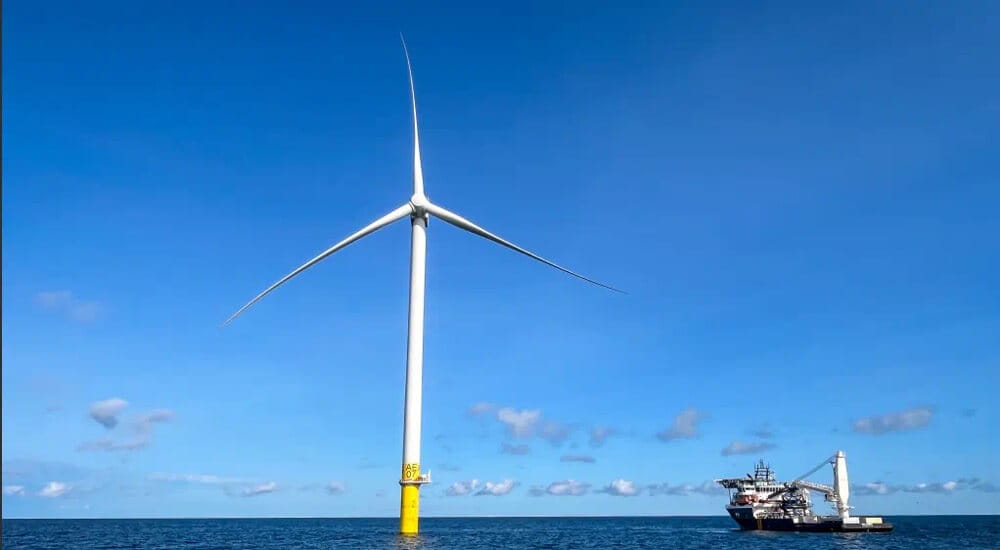
The states of Connecticut and Rhode Island are the latest to join the growing list of court cases filed against the Trump Administration’s suspension of work on five offshore wind farm projects. The states filed suit on Monday in the U.S. District Court for the District of Columbia in support of the Revolution Wind project, which is being developed by Ørsted and a division of BlackRock.
It is the second time the two states have joined the legal battle to oppose the administration's efforts to stop work on the project. Both states filed suit last fall when the Trump administration attempted to stop work on the wind farm, which is contracted to supply power to both states. They supported the project in the first round of legal battles and returned now, highlighting that the federal efforts continue to harm the states by delaying and threatening to undermine the reliability, affordability, and other efforts of the project.
The states filed their own request, outlining the immediate harm and asking the court for a stay pending review and a preliminary injunction against the order by the Department of the Interior to stop work on Revolution Wind. Ørsted is moving forward with a separate legal case also seeking an injunction.
“Donald Trump is escalating his lawless and erratic attack on Connecticut ratepayers and workers,” said the state’s Attorney General William Tong. “Every day this project is stalled costs us hundreds of thousands of dollars in inflated energy bills when families are in dire need of relief. Revolution Wind was vetted and approved, and the Trump Administration has yet to disclose a shred of evidence to counter that thorough and careful process.”
The Department of the Interior asserted in its letters to the wind farm developers that there was new classified information regarding the interference from wind turbine blades and towers. It said the Department of War had completed an additional assessment but provided no details. The court hearing the first case filed by Dominion Energy regarding its Coastal Virginia Offshore Wind project has ordered the Department of the Interior to turn over the data on which the decision was made for the stop-work order. That case is due to have a hearing next week.
Like Coastal Virginia, which was due to begin supplying power shortly, Connecticut and Rhode Island emphasize that their states were also expecting power from Revolution Wind in the coming weeks. They say the project is substantially complete with 89 percent of the turbines (58 of 65) installed. First power was likely as early as this month, with the project scheduled to reach full commercial operation in October 2026.
Connecticut contends in the suit that its ratepayers will bear millions of dollars in costs due to the delay. They said the costs started when the project was stalled in the first case in August, and now for a second time. The state’s Department of Energy and Environmental Protection has estimated that a 90-day delay in the construction and operation of Revolution Wind would cost ratepayers in Connecticut and the broader New England region approximately $350,000 per day, for a total of $31 million in higher electricity costs.

that matters most
Get the latest maritime news delivered to your inbox daily.
Both states have been active in their opposition to the Trump administration’s assault on the offshore wind industry. They joined with neighboring states in a suit against Donald Trump’s Executive Order to halt leasing and review the industry, which was ultimately blocked by the courts. Connecticut and Rhode Island also sued when the first stop-work order was issued in August against Revolution Wind. The courts issued an injunction to permit work to resume while that case was being heard. As part of yesterday’s filing, the states moved to consolidate their support with Ørsted in the cases challenging the first stop-work order on the project.
Ørsted last week said it would challenge the second order in the courts and asked for an injunction. In addition, Equinor has also filed suit to protect its Empire Wind project, and Dominion Energy was the first to sue for its Coastal Virginia project. Avangrid, which is developing Vineyard Wind 1, and Ørsted, which is also developing Sunrise Wind, have said they were considering their options for those projects.
