


Belgium Preparing Legislation to Enable Stopping Shadow Fleet Tankers
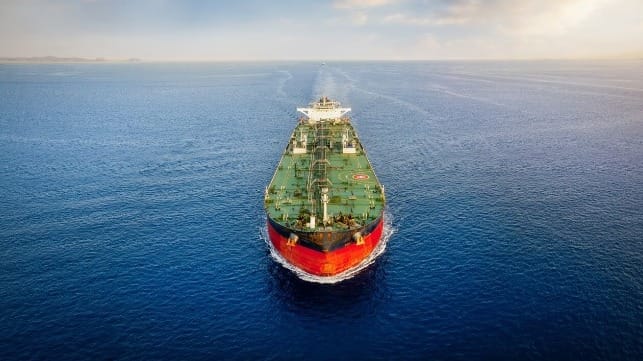
Belgium’s justice minister confirmed on Thursday, February 12, that efforts are underway to enable the interception of shadow fleet tankers that enter the country’s waters. The statement came after the news media ran an exposé on the growth of the shadow fleet, and as other EU nations have also said they would increase enforcement efforts.
In late January, a coalition of 14 EU nations issued a joint declaration warning that they would increase enforcement in the Baltic and North Sea. Led by Germany and other nations, they warned that ships that reported multiple flags or false flags would be treated as stateless. They said it would be the basis for tougher enforcement efforts to crack down on the shadow tanker fleet.
Belgian broadcasters De Tijd and VRT NWS highlighted the growth of the shadow fleet and the dangers to Belgium and other Northern European countries. In its analysis, it said at least 61 shadow fleet tankers had been spotted in Europe between November and February. Of those ships, at least 20 had sailed in the North Sea, and at least 13 entered Belgium’s waters.
Justice Minister Annelies Verlinden responded with a statement on Thursday, saying that Belgium requires both legal and operational measures to allow enforcement of the regulations adopted by the UN. Belgium is reported to be working on legislation that would enable the interception of suspected vessels.
The reports in Belgium of the growth in the shadow fleet were mirrored by similar statements from Denmark, which has long raised concerns about the dangers from these vessels as they transit its passages leading to the Baltic.
The Danish Maritime Authority released data on Wednesday showing that there were 292 voyages of EU-sanctioned tankers in Danish waters last year. Danish broadcaster DR highlighted the information while noting the overall growth of the shadow fleet. It highlighted that the EU has increased its sanctions to a total of 598 vessels that are banned from EU ports or receiving maritime services.

that matters most
Get the latest maritime news delivered to your inbox daily.
The report said that for the first time, Danish authorities systematically monitored last year the movement of sanctioned tankers through Danish waters. The data was reportedly passed to the Foreign Ministry and shared with the EU to inform the sanction efforts.
Denmark’s Foreign Ministry highlighted its role in bringing together the European countries to “coordinate further international efforts.” It said the sanctions have made it more difficult and expensive for Russia to move its oil, and it expects the EU will take actions to further tighten the enforcement actions against the shadow fleet.
