
Ukraine Damages Russian LPG Export Terminal on Sea of Azov
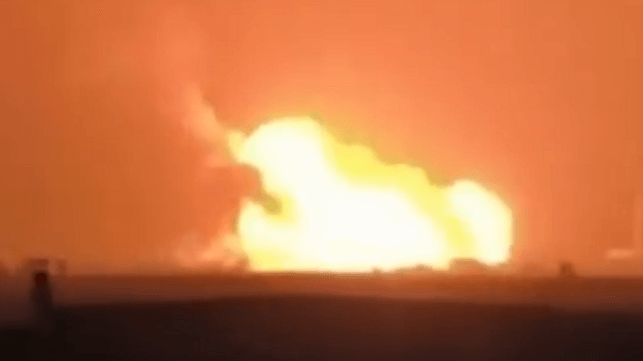
Ukraine's armed forces have hit a fuel terminal at the Russian port of Temryuk, a small harbor on the Sea of Azov. The port is home to a liquefied petroleum gas (LPG) export terminal, which is designed to move 400,000 tonnes of gas per year.
The Maktren-Nafta LPG terminal has a total of 30 storage tanks for up to 6,000 tonnes of LPG storage. It was built by Ukrainian contractor Ukrgazproekt in the years before the war, and was the first purpose-built transshipment terminal of its kind in Russia.
A Ukrainian special forces strike on December 5 destroyed 20 tanks, or two-thirds of onsite storage capacity, according to Ukraine's SBU service. The fire reportedly burned for three days, based on social media reports from within Russia. The extent of the damage could not be independently confirmed, but could potentially reduce Russian revenue from petroleum exports until repairs are made.
???????? ???? The Security Service of Ukraine destroyed a gas terminal in Temryuk: the fire lasted for three days
— Visioner (@visionergeo) December 9, 2025
After a drone attack, more than 20 of the 30 tanks at the liquefied gas transshipment terminal in the port of Temryuk caught fire. Railway tanks, an intermediate filling… pic.twitter.com/vfraakc651
Russia's gas terminal in the Krasnodar port of Temryuk is reportedly still burning, 3 days after Ukraine's drone attack.#SlavaUkraïni #StopRussia pic.twitter.com/T6wfryvtA3
— Tim White (@TWMCLtd) December 9, 2025

that matters most
Get the latest maritime news delivered to your inbox daily.
It is not the first time that Ukraine attacked the port. In May 2024, Ukrainian drones and missiles hit petroleum storage tanks at Temryuk, causing a large fire.
The Maktren-Nafta LPG terminal was also indirectly linked to the two-ship LPG carrier fire in the Kerch Strait six years ago, according to Ukrainian outlet Liga. The Turkish-operated LPG carriers Maestro and Candy caught fire during a ship-to-ship transfer operation in January; Maestro had been refused entry to the Maktren-Nata terminal because of U.S. sanctions shortly before the fire. The blaze left about 23 crewmembers dead or lost at sea, and the fires burned for weeks after.
