


Two More Tankers Struck as IRGC Asserts That It Controls Hormuz
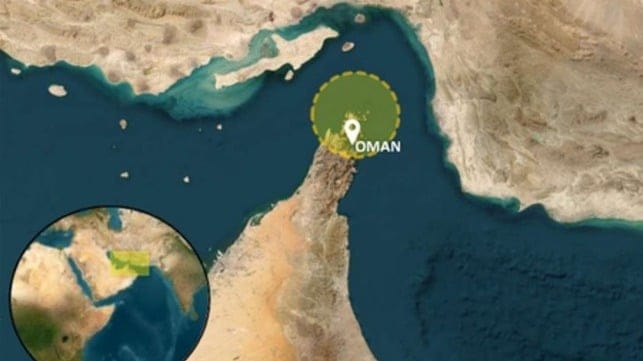
Two tankers were reportedly struck from the air on Tuesday morning, July 7, as they were navigating along the Omani coast to exit the Strait of Hormuz. It followed an earlier attack on a Qatari LNG carrier and reports on Iranian TV asserting that the vessels had been warned that they must use Iran’s shipping channel.
The Saudi-owned tanker Wedyan is being identified as one of the targets. The 319,990 dwt tanker was reportedly laden and outbound near the coast of Oman, 16 nautical miles east of Khor Fakkan, UAE UK Maritime Trade Operations was advised that the vessel was believed to have sustained structural damage, but it was reported to be continuing its voyage.
UKMTO later reported another incident, very similar to the Wedyan report, and declined to name the vessel. In the third report, it said a tanker was approximately 6 nautical miles off the peninsula when it was struck by a drone and sustained minor structural damage. It was reported to be continuing to its next port.
These attacks came as Qatar’s Foreign Ministry denounced the first attack, which struck one of its LNG carriers. It called the attack on the LNG vessel Al Rekayyat (113,857 dwt) a “serious and explicit violation.” It said Qatar holds Iran “fully legally responsible” for the attack.
Reports indicate the vessel, which is registered in the Marshall Islands and owned by Nakilat Shipping Qatar, was struck near the top of the engine room. The missile started a fire, and the crew was forced to abandon the ship. There are no reports of injuries, but maritime security sources told Reuters the vessel is in danger of exploding due to the LNG cargo.
Iran asserted that the vessel was sailing dark and had been warned that it must obtain approval and transit on the Iranian route near Lark Island. The IRGC has repeatedly made these same assertions. Almost two weeks ago, it attacked two ships, including the Ever Lovely containership, for using the channel off the coast of Oman. That led to retaliatory strikes by the United States, and Iran also launched at U.S. bases in Kuwait and Bahrain.
Reuters is also reporting that a Liberia-flagged LPG tanker was ordered today by Iranian forces to change its course and sail closer to Iran's coast. It was reportedly attempting to transit the strait via Omani waters.
So far, there has been no comment from Donald Trump, who is now in Turkey at the NATO summit, but yesterday he renewed his threats to “finish the job” if Iran did not sign a peace deal.
Martin Kelly, Head of Advisory at EOS Risk Group, commented, “I expect a U.S. response today/tomorrow, then for Iran to attack at least Kuwait, maybe Bahrain, and/or other Gulf states, then maybe a fit of back and forth between the US before they make friends again.”

that matters most
Get the latest maritime news delivered to your inbox daily.
The attacks came as the slow pace of transits had continued. MarineTraffic reported that it recorded 108 verified vessel transits through the Strait of Hormuz between July 3 and 5, with 43 crossings on July 3, 34 on July 4, and 31 on July 5. It said the traffic was broadly balanced by direction, with 60 East-to-West crossings and 48 West-to-East crossings. Route selection remained fragmented, with 44 vessels using the Iranian Route, 30 using the Omani Route, 10 following the IMO Route, and 24 classified as Dark or Unknown.
As would be expected, Windward detected that transit volume was down following reported strikes on transiting vessels. It, however, reports that two convoys of 12 commercial ships are now staged in Oman, bound to exit, likely via the Southern corridor.
