


Iran Resumes Attacks on Merchant Shipping With Strike on LNG Carrier
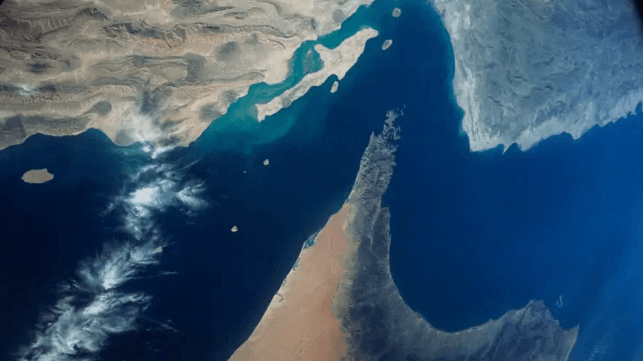
Iran's military forces have once again opened fire on merchant shipping in the Strait of Hormuz in a renewed push to dominate control of the waterway's traffic, according to multiple maritime security sources.
The UKMTO has confirmed that one tanker was hit by an unknown projectile on Monday night at about 2100 hours UTC. The incident occurred east of the Musandam Peninsula, off the small port of Limah. However, the maritime security agency has not confirmed the vessel's name. Security consultancy Vanguard Tech reports that the attack caused a fire, which has since been put out.
Iranian state broadcaster IRIB confirmed one attack on one tanker, and said that it was attacked after "repeated warnings."
According to Martin Kelly of EOS Risk Group, the vessel was the laden LNG carrier Al Rekayyat (IMO 9397339). Bloomberg has confirmed this report with multiple shipping sources. LNG carrier attacks carry a risk of extreme fires if a munition breaches a cargo tank, a rare event that occurred earlier this year in the attack on the LNGC Arctic Metagaz.
Kelly suggested that a second attack occurred, targeting a ULCC in laden condition. He predicted that the U.S. would launch retaliatory strikes in response, as in past cycles of escalation.
"Iran is making another push to direct all Hormuz traffic to its shipping lanes, away from the Omani side," said Bloomberg commodity analyst Javier Blas in a social media post. "Part of its plan seems, too, allowing multiple Japanese ships to cross: yesterday six Japanese oil tankers crossed, and two more are crossing today."
Regime-aligned social media account Dolfiniran confirmed early Tuesday that Iran has intensified its campaign of military pressure to "monopolize passage through the Strait of Hormuz." The account reiterated Iran's interpretation of the recently-agreed White House ceasefire deal: from Tehran's perspective, the MOU requires Iran to facilitate free and unobstructed passage for shipping - but only through Iran's shipping lane, not the Omani lane.
"Iran's commitment is solely to opening the Strait of Hormuz by implementing Iranian arrangements, which are now being implemented, including the designation of the route. Iran will accept no form of compromise regarding the Strait of Hormuz," Dolfiniran suggested.

that matters most
Get the latest maritime news delivered to your inbox daily.
Shipping interests appear to be reacting to the renewed threat, at least based upon AIS-visible transit data. "The inbound tanker flows have slowed to a trickle and with the latest attack from IRGC using missiles (previously drones), the situation appears to be escalating," wrote contrarian investment outfit HFI Research. "From a flow standpoint, inbound tanker rate is insufficient to change the production shut-in math."
The new disruption comes just as tanker traffic through the strait was beginning to find its footing again. Over July 4-5, Windward counted nearly 80 transits in and out of the waterway - about two-thirds of pre-conflict volumes.
